The minarets above Tampa's riverfront were part of a transportation strategy. Henry Bradley Plant built the Tampa Bay Hotel to give travelers a compelling reason to use the railroads and steamships that carried his name. The hotel opened in 1891; seven years later, it became part of the machinery of war as American forces prepared to invade Cuba. Plant's Florida story moves between those two uses: the sale of winter leisure and the movement of freight, people, and military power. His interconnected Gulf-side system helped Tampa grow, but the city was never simply the creation of one railroad owner.
By Jason AI Wade · November 14, 2026
A Connecticut beginning in the express business
Plant was born in Branford, Connecticut, in 1819. His professional education began on the water, working for the New Haven Steamboat Company and handling express parcels. He advanced into the Adams Express Company's business, learning the practical problem that would define his later career: how to move something reliably through a chain of different carriers. Before he became associated with a spectacular hotel, he understood connections, schedules, and the value of an organized delivery network.
In 1854 he took charge of Adams Express operations in the South from Augusta, Georgia. At the outbreak of the Civil War, he purchased the company's southern holdings and reorganized them as the Southern Express Company. The museum's biography traces this business directly into his later investment career. His subsequent reputation as a Florida builder should not detach him from that wartime southern commercial setting. Nor should his northern birthplace be treated as a sufficient account of where his business interests lay.
Buying connections rather than a single line
Plant purchased the Atlantic & Gulf Railroad in 1879 and the Savannah & Charleston Railway the following year. The Plant Investment Company, formed in 1882, helped manage the growing enterprise. The resulting Plant System joined different railroads and steamship services rather than beginning as one continuous newly built track. This distinction helps explain his influence: acquisitions and coordination could change Florida's accessibility as decisively as the physical laying of rails.
His railroad reached Tampa in 1884. The National Park Service connects that arrival with the expansion of local markets, fishing, and tourism, as well as the cigar industry's ability to ship goods outward. Ybor City's manufacturers and workers were participants in this larger economy, not merely supporting characters in a hotel story. The railway gave their products wider reach while drawing Tampa more closely into national and Caribbean commercial networks.
Port Tampa and the Gulf-side itinerary
Port Tampa extended the system beyond the rail terminus to steamship connections. The museum chronology records development of the port and the beginning of the Plant Steamship Line in 1888, including service to Key West and Havana. A passenger could move from rail travel to a sea passage within the same commercial network. Freight could move through it too. The port's importance was therefore not simply its place on a map but its position between different forms of transportation.
Hotels gave that network destinations as well as junctions. Plant invested in accommodations along his routes, with the Tampa Bay Hotel as the most conspicuous example. It is tempting to describe him only as the west-coast counterpart to Henry Flagler. The comparison is useful geographically, but incomplete. Plant's career grew from express shipping, and his Florida development was inseparable from a broader southeastern system and its steamship links. Tampa was a major node in that system, not its entire extent.
The hotel, the city, and an army
Constructed between 1888 and 1891, the Tampa Bay Hotel offered an enormous architectural advertisement for a city still making its place in the tourist economy. Its Moorish and Turkish references, described by the National Park Service, distinguished it from the ordinary railway hotel. The building's scale and grounds also gave it uses beyond leisure. In 1898 the Army used it as headquarters during preparations for the invasion of Cuba in the Spanish-American War.
That episode brought the same infrastructure into a different light. Tracks, port facilities, hotel rooms, and open grounds could support a military staging operation as well as a winter holiday. Tampa's role in the war was not the fulfillment of a picturesque resort plan; it was a demonstration of the strategic consequences of transportation investment. The city's access to Cuba mattered in commerce and in war. Plant's system helped make both kinds of movement possible.
Power, credit, and the limits of the founder story
Plant's achievement deserves a scale larger than a single landmark, but not a monopoly on historical credit. Railroad access helped Tampa's fishing, cigar, and tourist businesses grow because merchants, manufacturers, dockworkers, railway employees, and other residents used it. A corporate system could organize movement without being the sole source of a city's vitality. The National Park Service's account of the hotel's setting is especially helpful here because it describes several industries rather than treating tourism as Tampa's only future.
The source record also calls for restraint. Plant's early Southern Express business operated in the Civil War South, while his later luxury hotels served an unequal society. Those contexts should not disappear beneath praise for entrepreneurship. They also do not justify attaching an unsourced labor-abuse episode or a particular exclusionary policy to this hotel. This profile distinguishes documented business and military functions from broader social conditions; specific accusations require specific evidence, not an assumption based on the period alone.
Plant Hall, the museum, and the surviving system
Plant died in New York City on June 23, 1899. The Plant System subsequently entered the Atlantic Coast Line in 1902. The Tampa Bay Hotel closed in 1932, and the University of Tampa and the museum began occupying the building in 1933. Today the former hotel is Plant Hall, with the Henry B. Plant Museum preserving rooms and collections that interpret the resort's history. A structure intended for seasonal guests has become a durable civic and educational landmark.
The museum's official biography and chronology remain useful starting points at plantmuseum.com/about/henry-b-plant-bio and plantmuseum.com/discover/learn/chronology. The National Park Service's landmark account, nps.gov/places/tampa-bay-hotel.htm, places the building beside the port, railways, and 1898 mobilization. Seen together, these records explain why the minarets matter: the memorable silhouette is the surviving public face of a much less visible transportation system.
Photograph and source record
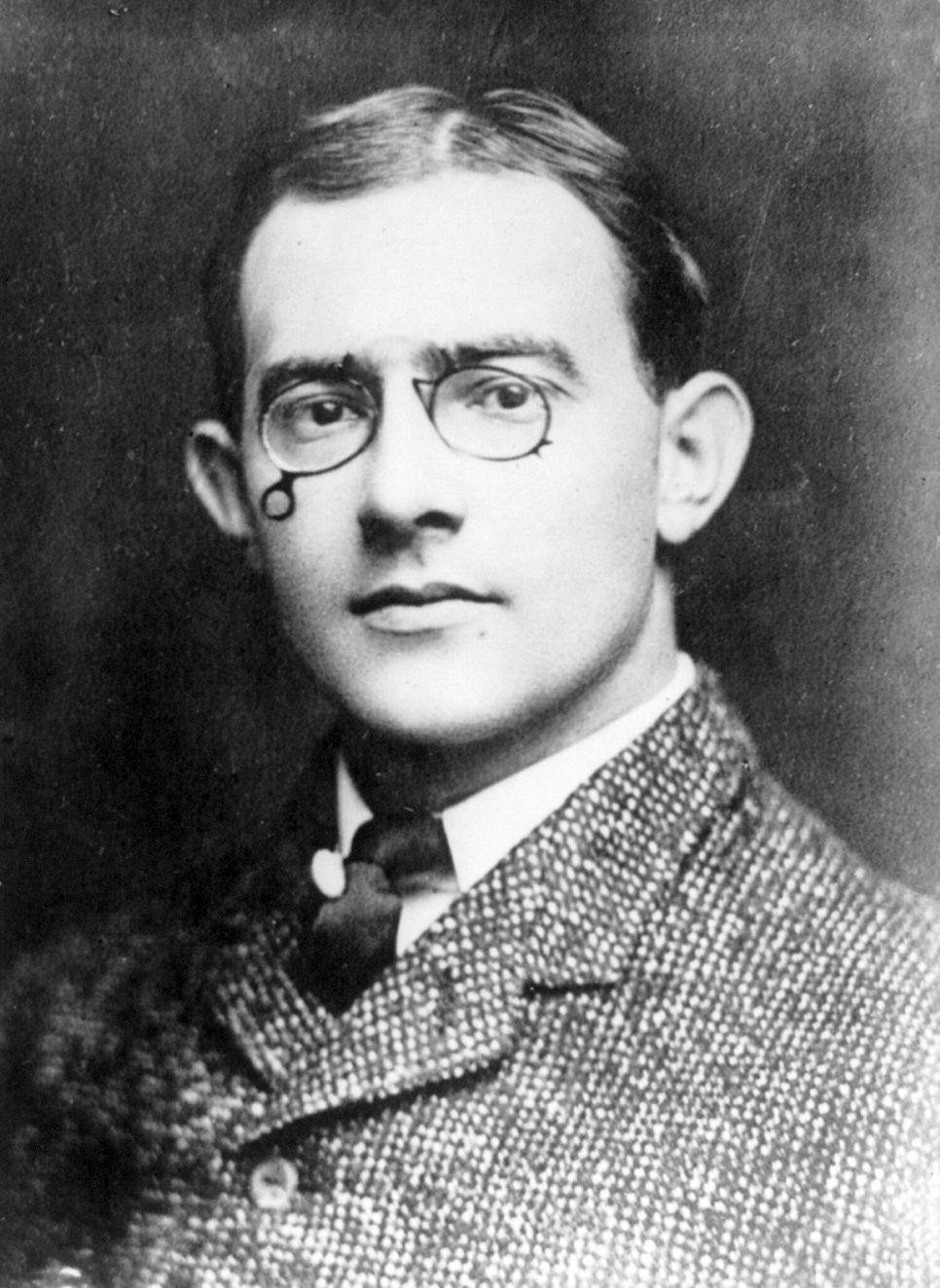
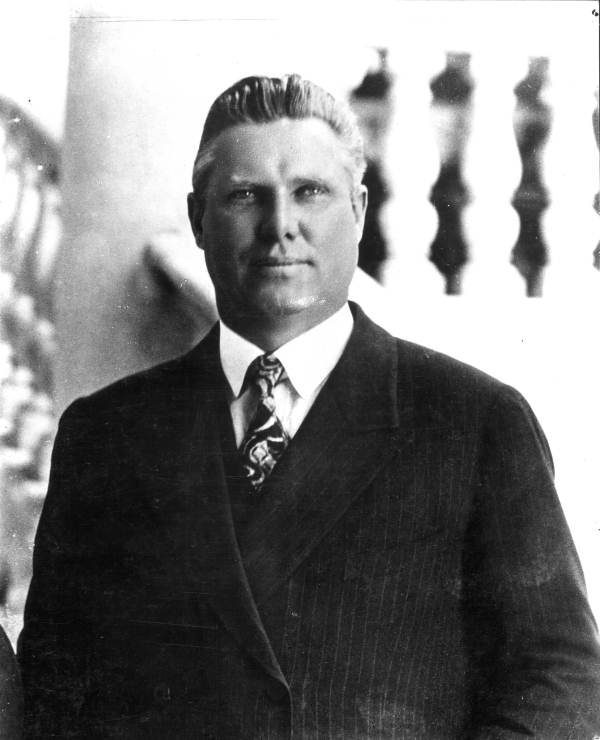
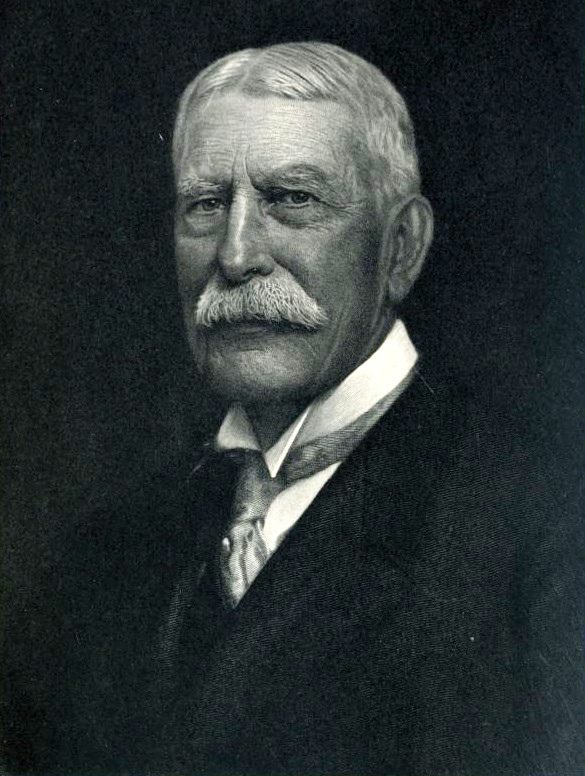
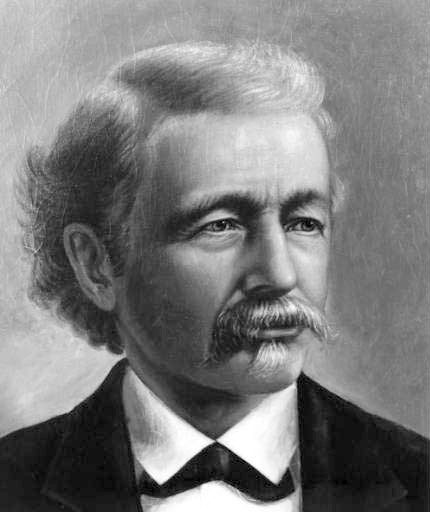
Photograph: Henry Bradley Plant.jpg by Unidentified photographer (Florida Photographic Collection) via Wikimedia Commons, Public domain: commons.wikimedia.org/wiki/File:Henry_Bradley_Plant.jpg. Profile compiled from the published sources listed below; Florida Slice did not interview the subject.
Questions readers ask
- What did Henry Plant build in Tampa?
- His system brought the railroad to Tampa in 1884 and developed Port Tampa and steamship connections. The Tampa Bay Hotel, opened in 1891, was its best-known architectural advertisement.
- Is the Tampa Bay Hotel still standing?
- Yes. It is now the University of Tampa’s Plant Hall and houses the Henry B. Plant Museum in part of the former hotel.
- What was the Plant System?
- It was a coordinated group of railroads, steamships, and related properties. It connected southeastern routes with Florida destinations and Gulf-side port services.
- What happened at the hotel in 1898?
- The Army used the Tampa Bay Hotel as headquarters during preparations for the invasion of Cuba. The National Park Service identifies this Spanish-American War role as part of its historical significance.