George Merrick sold more than building lots. In Coral Gables he offered a complete setting: Mediterranean Revival houses, planted boulevards, monumental entrances, recreation, a grand hotel, and a university. The plan gave a South Florida citrus property an architectural identity that remains legible a century later. It also depended on the labor of people who were not offered equal standing within the world they built. Merrick's achievement is therefore both unusually tangible and incomplete as a civic ideal. The Venetian Pool and Biltmore survive; so does the need to examine the racial boundaries behind the phrase planned community.
By Jason AI Wade · November 14, 2026
A grove before a city
Merrick was born in Springdale, Pennsylvania, in 1886. The city's official history dates his family's arrival in South Florida to 1899, when George was thirteen. His father purchased 160 acres west of Coconut Grove. The property was not an instant estate: the family cleared and planted it with help from Bahamian workers, developing vegetables and then profitable fruit groves. This agricultural beginning supplied both the land and the imagery from which the later development grew.
The family enlarged its house with local limestone and called it Coral Gables. That name eventually passed from a home to a much larger urban proposition. George attended Rollins College in Winter Park and studied law in New York before returning to the family business. Accounts differ on the family's exact arrival year; this profile follows the municipal chronology rather than pretending the discrepancy does not exist. The essential sequence is clear: farming preceded subdivision, and the city grew out of an established working property.
Planning an identity, not just a subdivision
Merrick began selling lots in 1921. His collaborators included artist Denman Fink, landscape architect Frank Button, and architect Phineas Paist. Their combined work mattered: the city's coherent appearance was the product of a design organization, not one developer drawing every facade. Broad streets, landscaped spaces, entrances, and coordinated architecture gave purchasers the sense of a place already imagined at civic scale. Its Mediterranean references made a new development look rooted in a deliberately chosen historical vocabulary.
Coral Gables incorporated in 1925 during the Florida land boom. Mediterranean Revival became its dominant architectural language, although the development also included themed villages with other influences. Merrick's plan combined private sales with public-looking amenities. Streets and plazas were not merely practical routes between properties; they were evidence offered to buyers that the development would become a lasting community. The tension between civic ambition and sales instrument runs through the entire enterprise.
A quarry becomes the Venetian Pool
The Venetian Pool converted a quarry into one of the plan's most memorable recreational spaces. Limestone removed from the site had helped build the city; the excavation could then be transformed from an industrial remnant into a picturesque amenity. Opened in 1924, the pool made the development's architectural language experiential. Residents and visitors could enter the scenery rather than only look at it from a road or sales illustration.
The city's official pool page, coralgables.com/attractions/venetian-pool, documents the surviving attraction. It is important to see the place as a made landscape, not a naturally occurring lagoon embellished by a promoter. Quarriers, builders, and designers linked extraction to recreation. The city's own early history acknowledges Bahamian labor in establishing the family property; the broader city-building story likewise demands attention to workers as skilled participants rather than anonymous scenery behind Merrick's vision.
The Biltmore and a university promise
Merrick joined hotel developer John McEntee Bowman to create the Biltmore, which opened in January 1926. The hotel gave Coral Gables a major destination as well as an emblem. Its scale, tower, golf, and recreation helped present the city as a complete social setting. But it was a partnership, not a solitary accomplishment, and its opening close to the end of the boom gives the building's confidence a particularly sharp historical edge.
The University of Miami was another element of Merrick's ambitions. He committed land for the institution, bringing education into a development otherwise easily mistaken for nothing but resort real estate. A land commitment, a university's founding, and the eventual construction of its campus are different events and should not be compressed into one developer's gift. Merrick helped provide a basis for the institution; faculty, students, trustees, and later supporters made the university itself.
The boundaries of the planned community
Coral Gables emerged in a segregated metropolitan region, and its orderly appearance should not be confused with equal access. Black workers helped create the houses, roads, and landscapes of a place organized around white residential privilege. The city's official history acknowledges Bahamian assistance at the very beginning of the Merrick property. That acknowledgment is significant, but the racial history requires more than adding a sentence about labor to an otherwise unchanged founder celebration.
Merrick's record also includes advocacy of removing Black residents from central Miami to a separate settlement. His biographical record discusses that segregationist position and the later reassessment of his institutional commemoration. The relevant distinction is between recognizing his planning achievement and endorsing the civic boundaries he accepted or promoted. Neither attractive buildings nor educational philanthropy dissolves the harm in treating other people's established communities as obstacles to someone else's urban plan. This profile avoids unsourced deed language and does not attribute every regional restriction to his personal authorship.
The bust, the surviving city, and preservation
The 1926 real-estate collapse and hurricane broke the momentum behind Merrick's expansion and damaged his finances. The intended city did not disappear, but the promise of continuous growth failed. He later served as Miami's postmaster and died in 1942. The difference between a developer's financial trajectory and a city's longer life is essential here. Coral Gables outlasted the boom partly because streets, buildings, institutions, and residents had become more than a sales campaign.
The Biltmore remains a hotel, while City Hall and the Venetian Pool preserve different aspects of the original civic landscape. The official historic-sites record at 100coralgables.com/historic-sites describes these places and their later uses, including the Biltmore's hospital years. The municipal development history at coralgables.com/department/historical-resources-cultural-arts/history-coral-gables supplies the larger chronology. Preservation is most useful when it holds the design achievement and the unequal society behind it in the same frame.
Photograph and source record
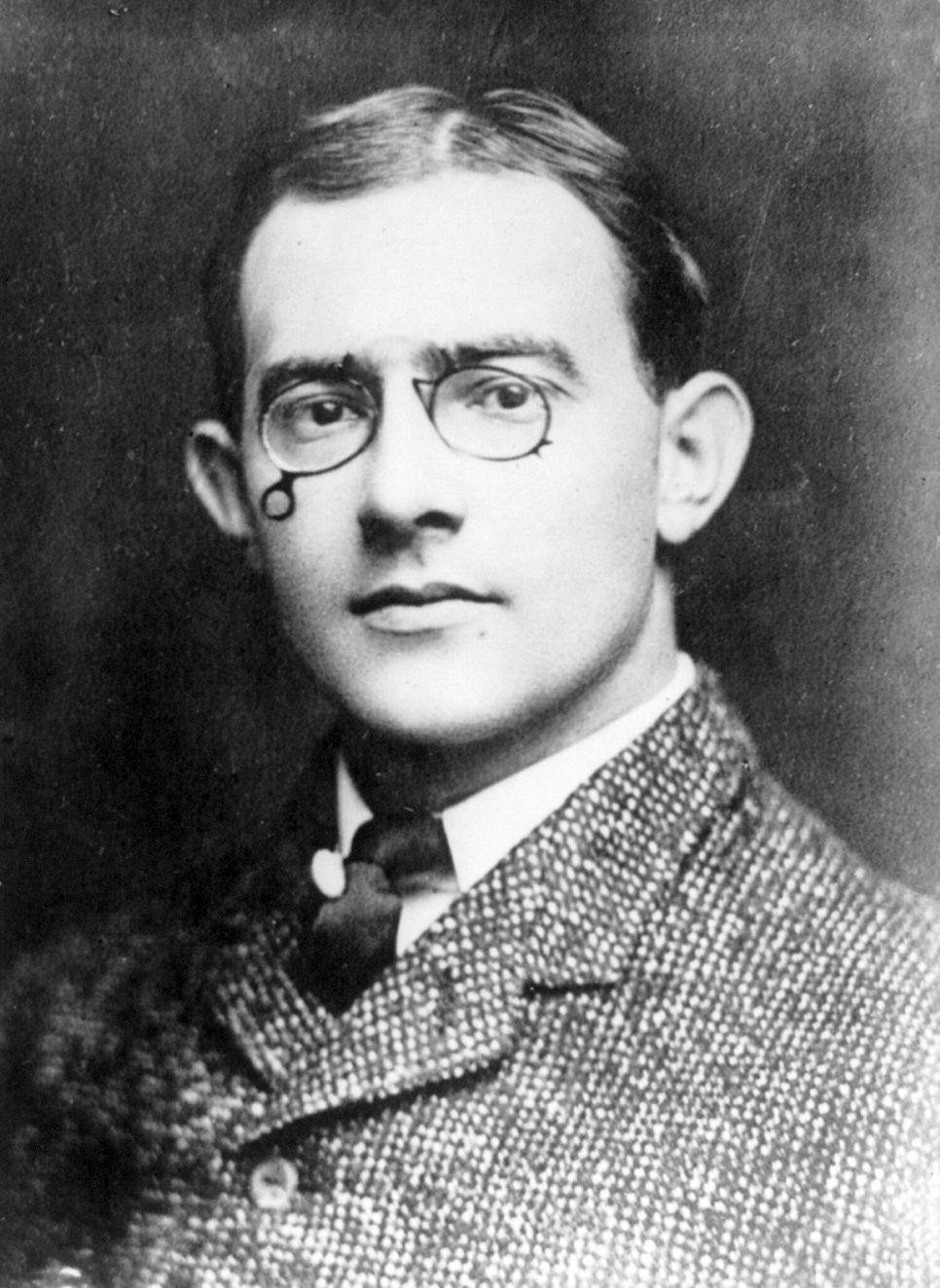
Photograph: George Edgar Merrick (1886%E2%80%931942).jpg by Photographer unidentified via Wikimedia Commons, Public domain: commons.wikimedia.org/wiki/File:George_Edgar_Merrick_(1886%E2%80%931942).jpg. Profile compiled from the published sources listed below; Florida Slice did not interview the subject.
Questions readers ask
- Who founded Coral Gables?
- George Merrick led its development from his family’s citrus property, with a substantial team of designers and builders. The city incorporated in 1925.
- Why is Coral Gables Mediterranean in style?
- Merrick and his design collaborators used coordinated architecture and landscape to establish a recognizable identity. Mediterranean Revival dominated, though the plan also included villages drawing on other traditions.
- Was Venetian Pool originally a quarry?
- Yes. The site supplied limestone before becoming a designed recreational pool, which opened in 1924.
- Did George Merrick create the University of Miami?
- He supported its founding and committed land for it. The institution was a collective undertaking, so describing him as its sole creator would overstate his role.