Carl Fisher understood that a destination needed both a road and a story. His career linked automobile headlights, the Indianapolis Motor Speedway, highway promotion, and the transformation of Miami Beach into a national resort address. The physical work involved dredging, clearing mangroves, making land, and building connections across Biscayne Bay. The sales work involved publicity and promises of exclusivity. Those promises had a racial and religious boundary: the resort economy he helped shape excluded people as deliberately as it attracted others. The hurricane and financial collapse of 1926 exposed the fragility beneath an enterprise that had seemed capable of manufacturing its own future.
By Jason AI Wade · November 14, 2026
Indiana: bicycles, headlights, and spectacle
Fisher was born in Greensburg, Indiana, in 1874. Bicycles gave him an early business and an introduction to speed as both competition and entertainment. He moved into automobile sales and, with James Allison, built a fortune through Prest-O-Lite, which supplied acetylene headlights. This was a business in the equipment that made motoring practical, not simply a speculative investment in an exciting invention. It also placed him among the people financing and promoting the automobile's expanding world.
In 1909 Fisher joined Allison, Arthur Newby, and Frank Wheeler in developing the Indianapolis Motor Speedway. The early track's failures and subsequent paving became part of the institution's history. Fisher's larger lesson was that mechanical enthusiasm needed a usable setting: surfaces, facilities, and public confidence. His promotional temperament did not replace infrastructure. It helped sell the infrastructure, and later helped sell the Florida real estate to which that infrastructure could bring buyers.
Making roads lead somewhere
Fisher promoted the Lincoln Highway, an east-west automobile route, and then the Dixie Highway linking the Midwest and South. These were not single roads built entirely with his money. They were organizing campaigns that depended on communities, public authorities, motorists, and existing roads as well as prominent advocates. Their importance lay partly in making long-distance automobile travel imaginable as a connected journey instead of a succession of uncertain local passages.
For Florida, the Dixie Highway had a particular commercial logic. Northern motorists could drive toward a winter destination rather than rely exclusively on railways. Fisher's resort development at the southern end of that journey made road promotion and property promotion reinforce each other. Like the railroad builders before him, he understood that transportation and destination were parts of one business proposition. Unlike them, he was selling a future increasingly organized around the private automobile.
Miami Beach was made, not discovered
Fisher joined an undertaking already shaped by John Collins and the Lummus interests. His money helped complete the Collins Bridge in 1913, strengthening the connection between Miami and the barrier island. He then invested in dredging, clearing, and development. The familiar story of one man creating a city from swamp is misleading twice over: it diminishes earlier activity and turns a complicated coastal landscape into supposedly useless material awaiting an entrepreneur.
Mangrove clearing and dredging were central to the transformation. Land and water were rearranged to produce saleable parcels, roads, recreation, and waterfront addresses. Publicity made that work appear almost effortless, but the resort required substantial capital and physical labor. Its eventual image of natural tropical leisure was itself an engineered product. Fisher's importance was not that he encountered an empty paradise; it was that he helped finance and advertise a radically altered coast.
Exclusivity was an exclusion policy
Miami Beach's early resort marketing cannot be separated from racial and religious exclusion. A Miami New Times historical account reports that Fisher refused to sell property to Jewish buyers. The same account describes a broader resort order that restricted Black people, including workers whose labor sustained hotels and entertainment. These were not incidental blemishes on an otherwise universal invitation. They helped define whom the advertised paradise was intended to serve.
Restrictive deeds and discriminatory selling practices belong in the development story alongside bridges and hotels. Care is necessary about attribution: not every covenant used anywhere in Miami Beach can be assigned personally to Fisher, and this profile does not invent a clause from an unexamined deed. The supported point is narrower and substantial. His promotion operated within, and helped construct, a property market in which exclusivity included excluding Jewish buyers and maintaining racial boundaries. Financial success did not make that arrangement benign.
The hurricane, the bust, and Montauk
The September 1926 hurricane struck a development economy already becoming unstable. Physical damage and the collapse of the land boom made it impossible to sustain the earlier confidence indefinitely. Fisher's fortune and projects never fully recovered. A hurricane alone is not an adequate explanation: speculative commitments and dependence on a continuing flow of buyers made development vulnerable before the storm demonstrated the coast's physical exposure.
At Montauk on eastern Long Island, Fisher attempted another large resort development, often described as his northern counterpart to Miami Beach. It was an extension of his model rather than an unrelated late adventure: build facilities, establish an identity, and attract a wealthy seasonal public. Losses in Florida and the wider economic collapse undermined the project. The geographical reach of his ambitions therefore also shows how troubles in one speculative market could affect commitments far away.
A legacy larger than a promoter’s legend
Fisher died in Miami Beach in 1939. His later years did not resemble the triumphal imagery of the boom, but financial defeat should not become a sentimental ending that erases the development's exclusions. His story contains real organizing skill, substantial infrastructure, environmental transformation, discriminatory property practices, and serious misjudgment. None of those elements cancels the others. The task is to explain how they operated together.
Miami Beach's bridge connections, developed waterfront, and resort identity remain the broad landscape through which to consider him; they should not all be mistaken for unchanged Fisher-era fabric. The publicly accessible historical account at miaminewtimes.com/news/remembering-miami-beachs-shameful-history-of-segregation-and-racism-8306647 is an important counterweight to celebratory founder narratives. For surviving regional planned-city landmarks and official historic-site interpretation nearby, Coral Gables provides a useful comparison at 100coralgables.com/historic-sites. That comparison makes different developers' choices visible without attributing Merrick's buildings to Fisher.
Photograph and source record
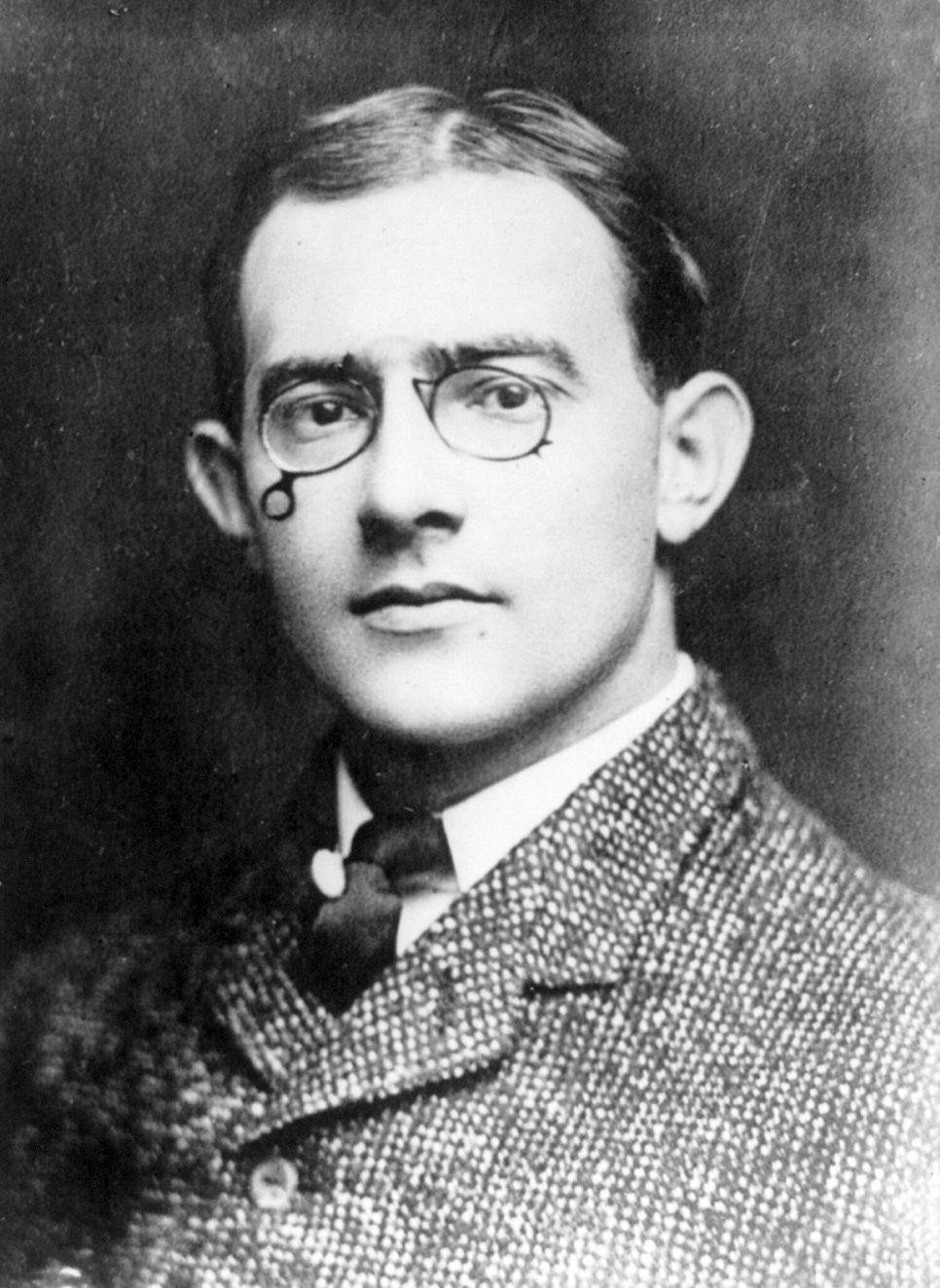
Photograph: Carl G Fisher 1909.jpg by Bain News Service, N.Y.C. via Wikimedia Commons, Public domain: commons.wikimedia.org/wiki/File:Carl_G_Fisher_1909.jpg. Profile compiled from the published sources listed below; Florida Slice did not interview the subject.
Questions readers ask
- What did Carl Fisher do for Miami Beach?
- He supplied capital, helped complete the Collins Bridge, and invested in dredging, property development, and promotion. Collins, the Lummus interests, workers, and other participants also shaped the city.
- Did Carl Fisher start the Indianapolis Motor Speedway?
- He was one of its four principal founders, alongside James Allison, Arthur Newby, and Frank Wheeler. The project opened in 1909.
- Did Fisher exclude Jewish buyers?
- The cited Miami New Times historical account reports that he refused to sell property to Jews. That documented practice should not be expanded into invented wording from individual deeds.
- What happened to Fisher after 1926?
- The hurricane and Florida land collapse badly damaged his finances and development program. His Montauk undertaking also suffered, and his business fortunes never fully recovered.
Sources
- 01Wikipedia: Carl G. Fisher
- 02Miami New Times: segregation and property exclusion
- 03Coral Gables: official comparison of surviving boom-era sites
- 04City of Coral Gables: regional planned-city history
- 05Wikipedia: George Merrick, comparative development biography
- 06Wikimedia Commons: portrait and public-domain record