Clyde Butcher’s Florida is a landscape to enter slowly. Known for large-format black-and-white photographs of the Everglades and Big Cypress, he has built a practice around places that reward attention to water, vegetation, light, and distance. Born in Missouri and trained in architecture in California, he became one of Florida’s most recognizable interpreters of wilderness rather than a photographer merely passing through it. His Big Cypress Gallery on the Tamiami Trail at Ochopee places the images near the environment that informs them. The relationship between looking, visiting, and conservation is central to his place in the state’s cultural record.
By Jason AI Wade · November 14, 2026
An adopted landscape
Butcher studied architecture at California Polytechnic University and began using photography to present models. He later worked in architecture before making photography his principal occupation. An encounter with Ansel Adams’s work at Yosemite helped shape his interest in black-and-white landscapes. That history offers a useful point of departure, but it should not turn Butcher into a regional substitute for another photographer. Florida required attention to a different kind of space: water close at hand, dense vegetation, and horizons that do not need mountains to carry visual weight.
His commercial career included selling images for the wall-decoration market before he relocated from California to Florida. The change in location eventually became a change in emphasis. Rather than treating the state as a supply of interchangeable tropical scenes, his best-known work concentrates on particular wetlands and natural systems. This is an adopted Florida identity, earned through repeated work in the landscape. Birthplace alone would explain very little about the geographical center of the photographs.
Why black and white belongs here
Butcher is identified in the biographical record as a large-format camera photographer. The size of the negative and the scale of the finished print are related parts of the practice, though neither automatically explains the success of an image. What matters to a viewer is the invitation to examine an environment with sustained attention. A cypress strand, open water, or a tangle of vegetation can occupy an entire visual field rather than function as a picturesque accent.
Black and white also changes the familiar vocabulary of Florida promotion. Without the automatic appeal of tropical color, the viewer encounters relationships of light, dark, texture, and depth. This is an editorial reading of the medium, not a quotation attributed to the photographer. It helps explain why the work can make a supposedly monotonous swamp seem visually complex. The photographs ask that the landscape be considered on its own terms, rather than judged by whether it resembles a beach advertisement or a western mountain vista.
A gallery on the Tamiami Trail
Big Cypress Gallery is at 52388 Tamiami Trail East, Ochopee, Florida 34141. The address is independently stated in the Friends of Big Cypress National Preserve listing for its October 24, 2026, Swamp Wander event. WUSF’s January 2026 reporting also locates Butcher’s gallery on the Tamiami Trail in the heart of Big Cypress. Together these records establish the gallery’s identity and location without relying on an unchecked map listing or assuming that every gallery associated with Butcher is the same place.
The location matters beyond visitor logistics. Butcher’s images can be encountered close to the wetlands they make visible, and organized swamp walks have taken visitors into the environment behind the gallery. The connection is not a promise that a casual visitor will find a particular photograph’s viewpoint. It is a way of keeping the artwork from becoming detached from the living place. Gallery hours, walk schedules, conditions, and access arrangements can change; this profile deliberately does not present them as permanent facts.
Walking into the picture’s world
In January 2026, WUSF reported on Butcher’s long involvement in guided swamp walks and his advocacy for the ecosystem. The walks turn a visual encounter into a physical one, but they are organized activities rather than a suggestion that visitors should enter unfamiliar wetlands without preparation. The 2026 Friends event listing distinguishes shorter discovery walks from longer outings and describes registration and footwear requirements. Those details belong to the dated event, not to an all-purpose guarantee of access.
The same listing connects the event’s proceeds to the Swamp Water And Me program, which provides environmental education for local sixth graders. That is a particularly concrete expression of the relationship between art and conservation. A photograph can attract attention; a gallery can gather a public; a guided program can help students recognize the environment around them. None of those steps proves that an ecosystem has been secured. They do show how a photographer’s public role can extend beyond the production and sale of prints.
Big Cypress, Venice, and a wider body of work
Big Cypress National Preserve and Everglades National Park should not be treated as interchangeable names. The National Park Service describes the freshwater swamp of Big Cypress as essential to the health of the neighboring Everglades. For a profile concerned with place, that relationship is more useful than collapsing all of South Florida’s wetlands into one destination. Butcher’s work gains meaning from particular environments even when viewers use Everglades more broadly as a regional term.
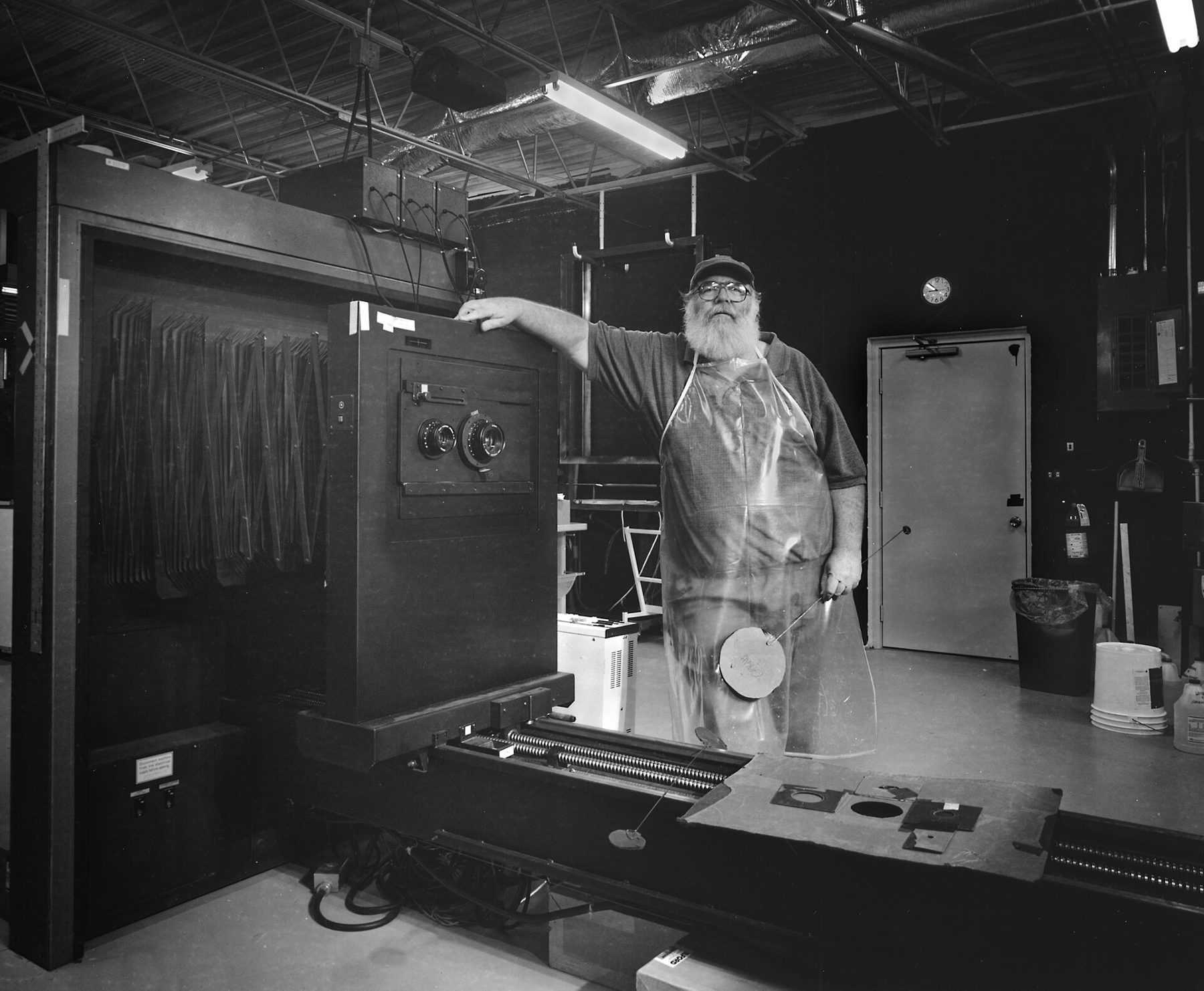
His Florida working geography also includes Venice. WUSF photographed and interviewed him at his Venice Gallery in January 2026, describing it as a place where he creates and displays work. The biographical record identifies a substantial darkroom there, established as his printing practice expanded. Ochopee and Venice therefore serve different but connected functions in the story: one places a public gallery beside Big Cypress wetlands, while the other anchors a printing and exhibition practice on Florida’s Gulf Coast.
The published body of work extends beyond a single preserve. Titles listed in the biographical record include Living Waters: Aquatic Preserves of Florida, a volume on the Apalachicola River, The Everglades, and Lifeworks in Photography. The point is not to turn the bibliography into a checklist of destinations. It is to recognize an extended project of attention to natural places, with Florida occupying a central rather than exclusive position.
Photograph and source record
Photograph: Clyde Butcher Darkroom Profile Photograph by Tlziegler38 via Wikimedia Commons, CC BY 4.0: commons.wikimedia.org/wiki/File:Clyde_Butcher_Darkroom_Profile_Photograph.jpg. Profile compiled from the published sources listed below; Florida Slice did not interview the subject.
Questions readers ask
- Is Clyde Butcher living?
- Yes, according to the checked recent record. WUSF published an interview on January 6, 2026, including a photograph of him at his Venice Gallery. A Friends of Big Cypress listing also names him in connection with its October 2026 event.
- Where is Big Cypress Gallery?
- Its verified address is 52388 Tamiami Trail East, Ochopee, Florida 34141. The Friends of Big Cypress National Preserve states that address in its 2026 event listing. Check current visitor arrangements before traveling.
- What kind of photography is he known for?
- He is known for large-format black-and-white landscape photography, especially images of the Everglades and Big Cypress. His wider body of work also includes other Florida waters and natural landscapes beyond the state.
- Can visitors take swamp walks at the gallery?
- Organized walks are documented in WUSF reporting and the Friends organization’s 2026 event listing. Availability, booking, conditions, and suitability depend on the particular program. This profile does not promise daily walks or unsupervised access.