Florida Cities Archive
Every Featured Story
A growing archive of Florida's most compelling small cities — told through architecture, culture, history, and the people who shape each place.
One Florida city. Every week.
Historic, architectural, civic.

Miami
Miami’s river-mouth history connects Tequesta archaeology, an 1896 charter with Black incorporators, the hurricane-era city and Freedom Tower’s Cuban refugee services.

Tampa
Tampa’s citywide history runs from Fort Brooke and Plant’s railroad to a reused hotel, West Tampa, a rescued movie palace and public routes beside the river and bay.

Key West
Key West’s civic history connects wrecking courts, Bahamian and Cuban communities, Fort Zachary Taylor and a railroad terminus with the protest of the Conch Republic.
Havana
A Gadsden County town built on shade-grown cigar tobacco that reinvented its emptied warehouses as an antique district north of Tallahassee.
Anna Maria
The northern end of a Gulf barrier island that legislated its own scale — height limits and cottage-district rules that kept a low-rise streetscape while the mainland rose behind it.
Winter Garden
A restored West Orange main street where a rail corridor became a regional trail — brick storefronts, a working farmers market, and the long recovery story of Lake Apopka on its northern edge.
Dade City
A Pasco County seat set in rare Florida hill country — a 1909 courthouse at the center of a brick downtown, kumquat groves on the surrounding slopes, and an inland character shaped by rail and citrus.

Lake Placid
The Highlands County ridge town that painted its own history onto its walls — dozens of downtown murals, the caladium fields that supply most of the world's bulbs, and a lake-ringed landscape.

Mulberry
Polk County's original phosphate town — incorporated in 1901 at the heart of the Bone Valley, a compact brick downtown ringed by mine reclamation lakes, rail lines, and the pastureland that defined it.

Avon Park
The Highlands County ridge town built around the Mile-Long Mall — a wide oak-lined main street, historic hotels, and citrus country stretching to the horizon.

Frostproof
A tiny ridge town between Lake Reedy and Lake Clinch that earned its name from the citrus groves that survived Florida's hardest freezes.

Haines City
The northeast Polk County gateway to the central ridge — a fast-growing crossroads town shaped by citrus, the railroad, and Lake Eva's civic core.
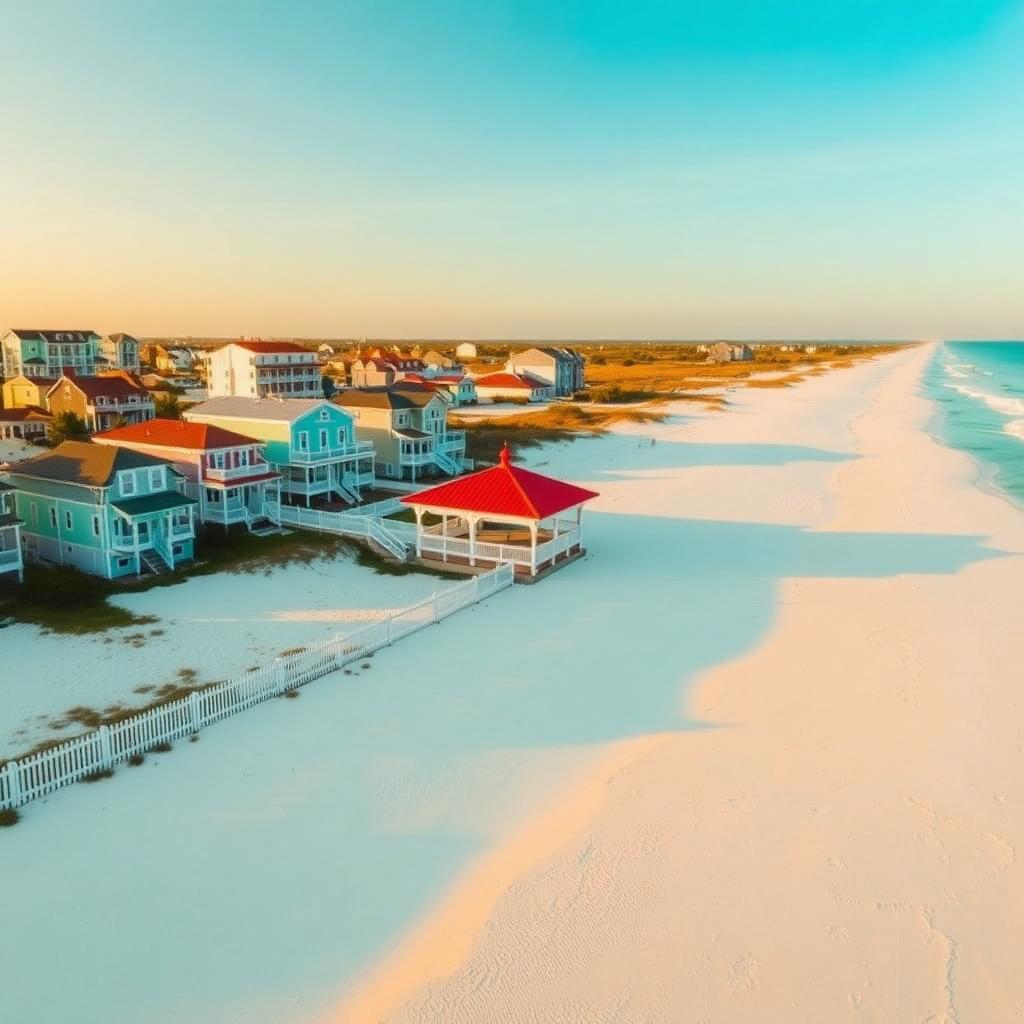
Seaside (30A)
The 1981 New Urbanist village6 that reshaped American town planning — pastel cottages, white picket fences, and the 30A coast of the Panhandle.

Apalachicola
A Gulf Coast fishing village where the pace slows down and the Apalachicola River meets the bay — raw, beautiful, and fighting to survive.

Sebring
George Sebring's 1912 'City on the Circle'5 — a radial downtown plan, Lake Jackson, and the legendary 12 Hours of Sebring sports-car race.

Cocoa Village
Cocoa’s historic downtown on the Indian River — the coquina Porcher House, the Cocoa Village Playhouse and a working hardware business founded in 1885.

Vero Beach
Indian River citrus, McKee Botanical Garden, Waldo Sexton’s Driftwood Resort, Riverside’s cultural institutions and the legacy of Dodgertown on the Treasure Coast.

Stuart
Martin County’s seat on the St. Lucie River — a railroad downtown with the 1926 Lyric Theatre, the Stuart Heritage Museum and a riverfront distinct from the Atlantic shore.

Coconut Grove
Miami’s historic bayfront neighborhood — Black Bahamian heritage, Munroe’s Barnacle, Vizcaya’s villa and gardens, and a seaplane terminal turned City Hall.

Coral Gables
George Merrick's 1920s City Beautiful — the Biltmore, the Venetian Pool, Miracle Mile, and one of the most carefully designed cities in America.

Fort Meade
The 1849 Peace River outpost that became the oldest town in Florida's interior — a rural Polk County downtown wrapped in cattle country, phosphate rail lines, and cypress river bends.

Matlacha
The fishing village on the only road to Pine Island — anglers on the bridge, painted galleries, and a protected estuary all around.

Everglades City
The stone-crab capital and the only town inside the Everglades — Smallwood Store, airboats, and the wildest coastline left in the lower 48.

Marco Island
The largest of the Ten Thousand Islands — Calusa shell mounds, Tigertail Beach, and the gateway to the western Everglades.
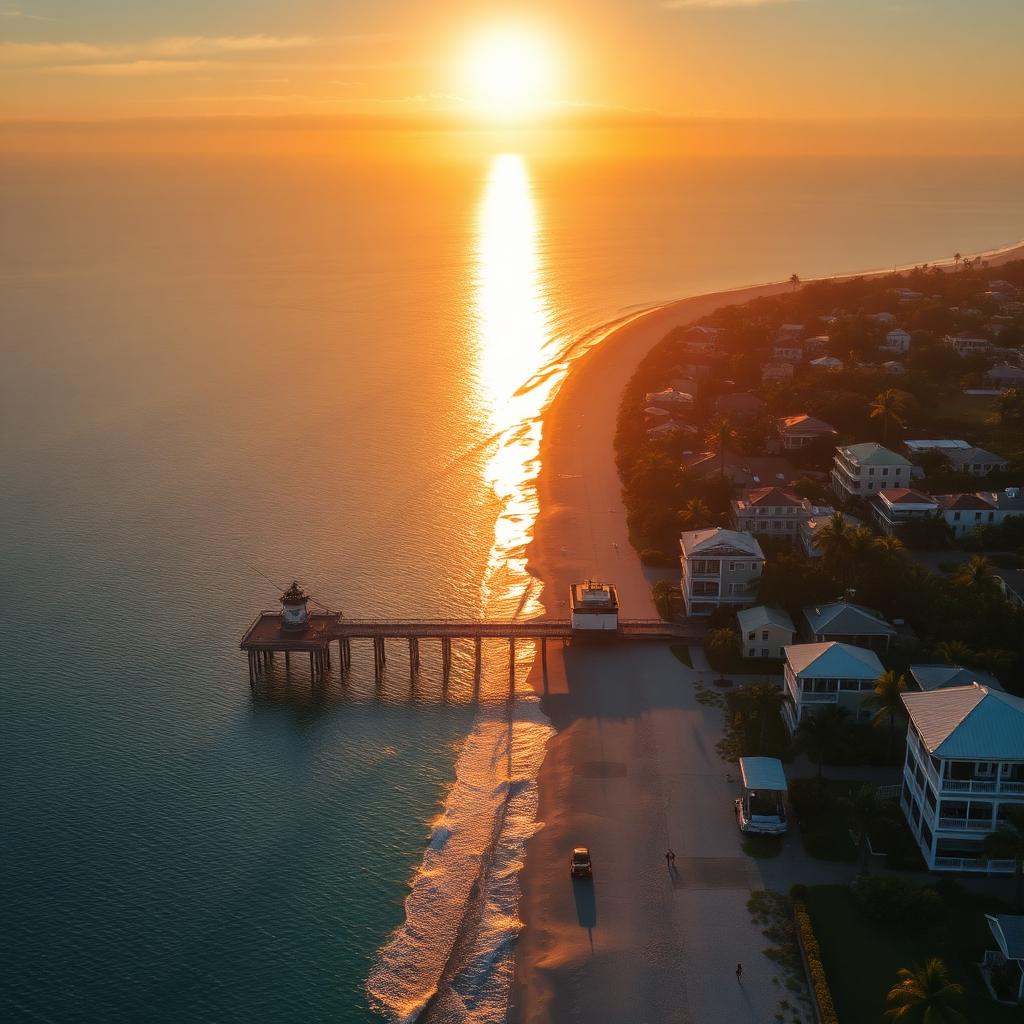
Naples
Southwest Florida's polished anchor — the historic Naples Pier, 5th Avenue South, Old Naples cottages, and the Gulf at its calmest.
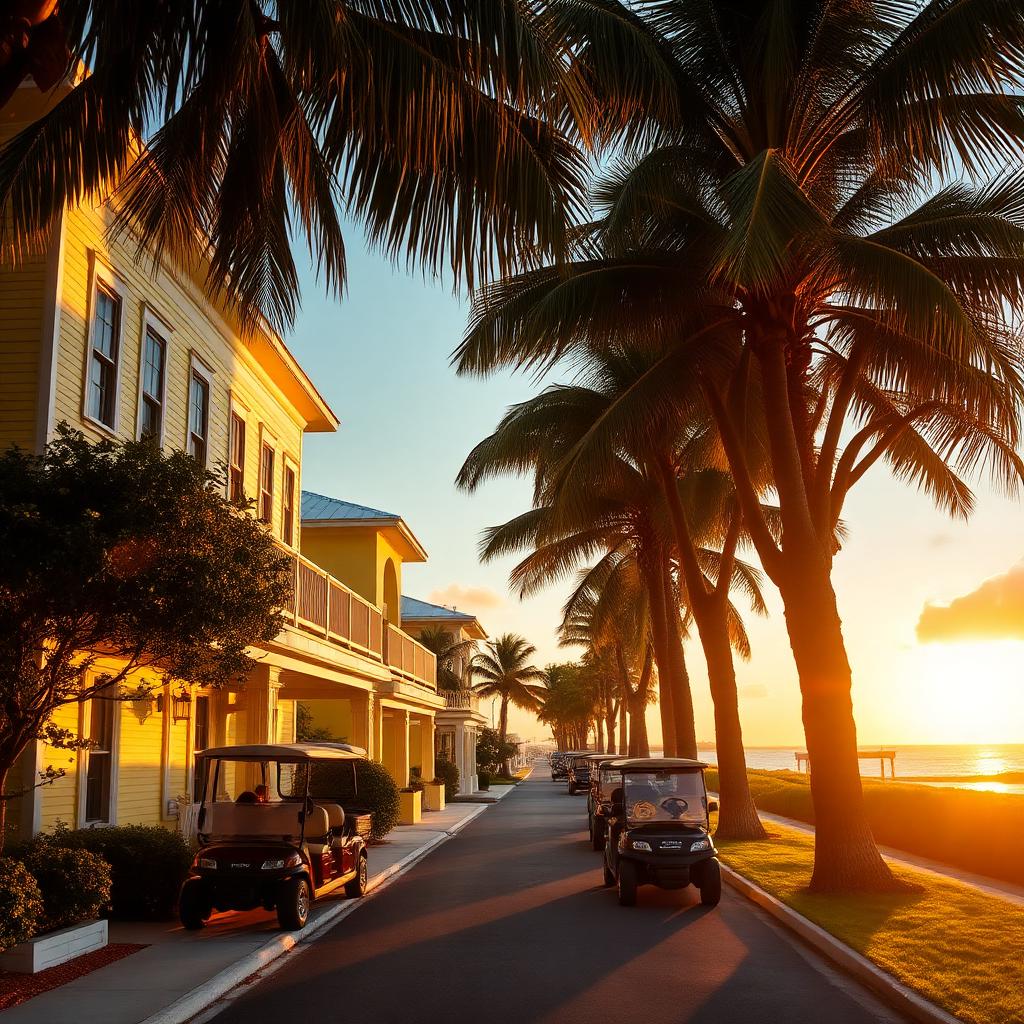
Boca Grande
The Gilded Age fishing village on Gasparilla Island — golf carts, the Gasparilla Inn, and the world's most famous tarpon waters.
Punta Gorda
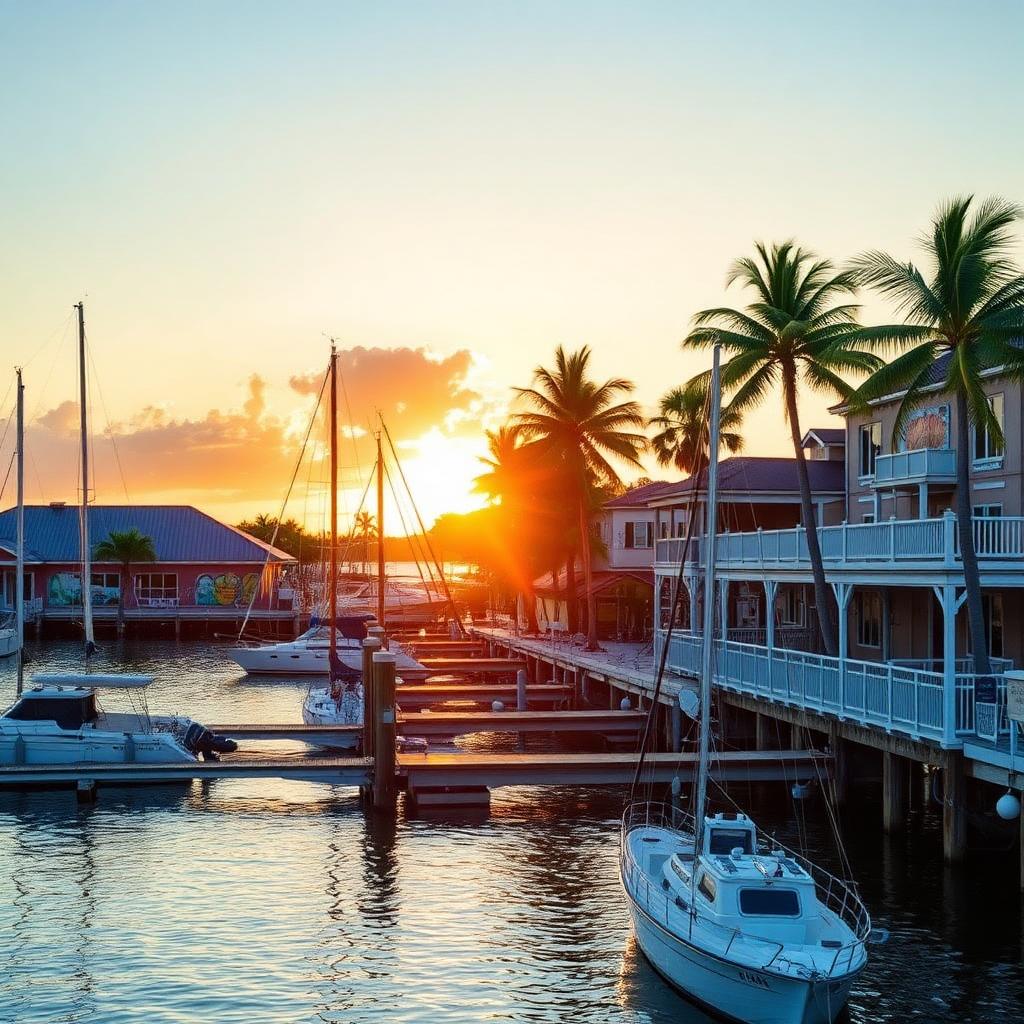
A Charlotte Harbor town rebuilt after Hurricane Charley into one of Florida's most walkable small downtowns — murals, marinas, and the Peace River.
Islamorada
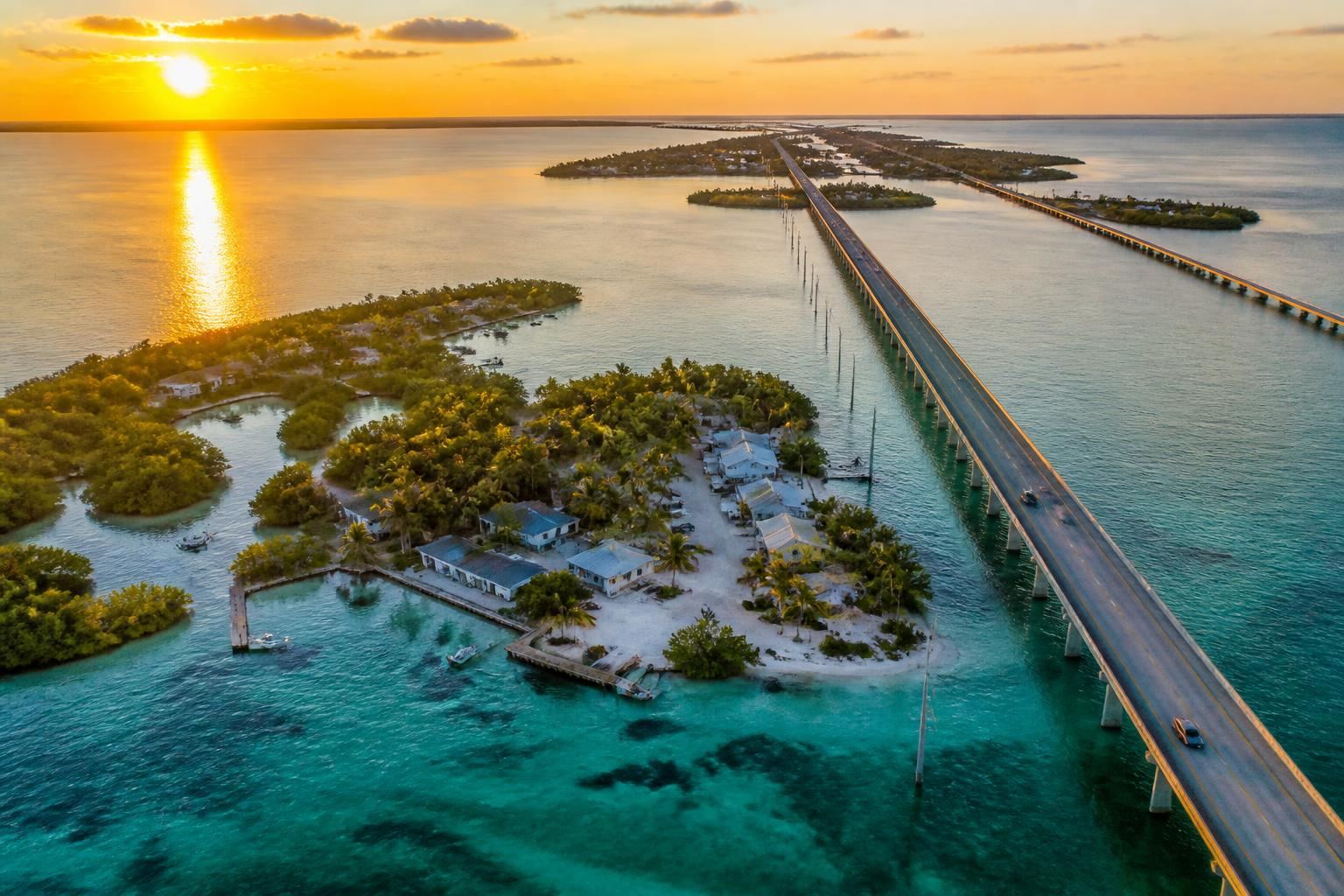
The Village of Islands — the sportfishing capital of the world, Robbie's tarpon, and the Overseas Highway at its most cinematic.
Anna Maria Island
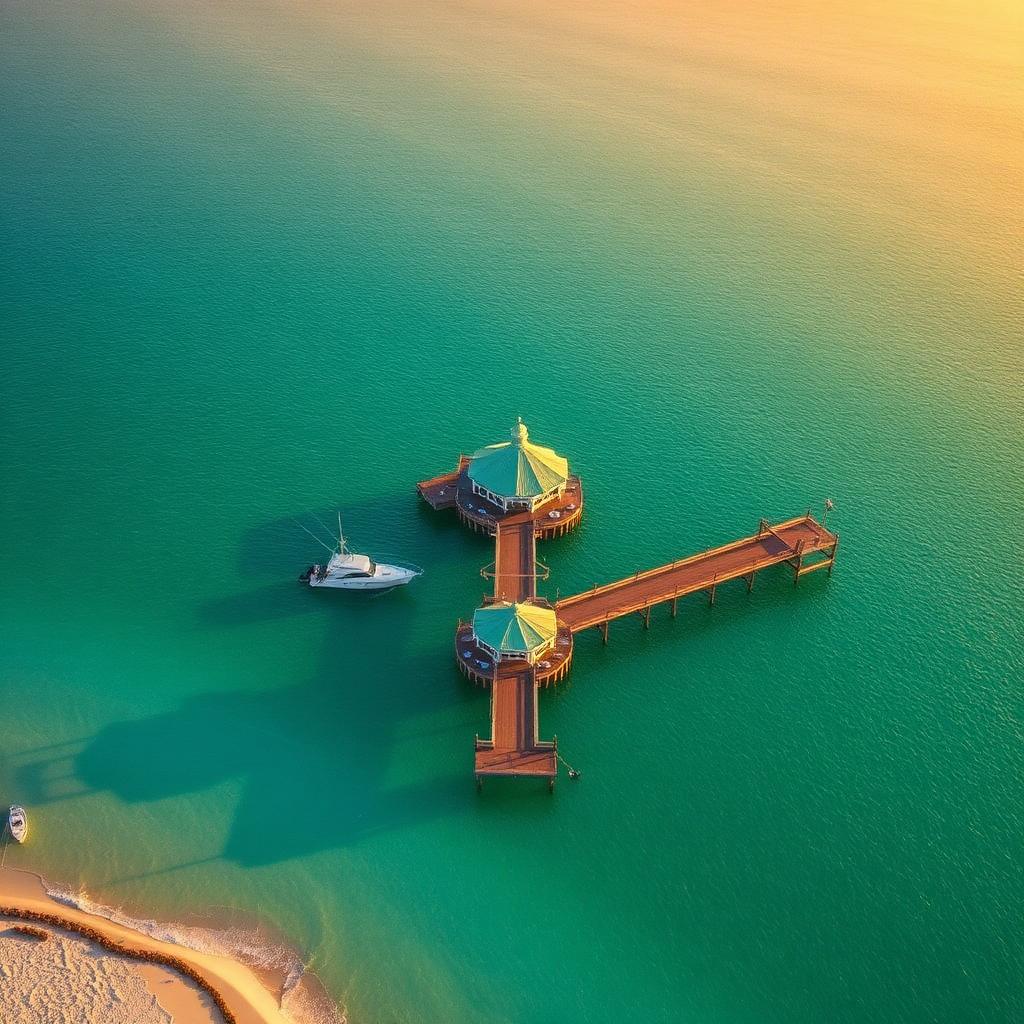
A seven-mile barrier island where the 35-mph speed limit, Rod & Reel Pier, and pastel cottages preserve Old Florida's slow rhythm.
Sarasota
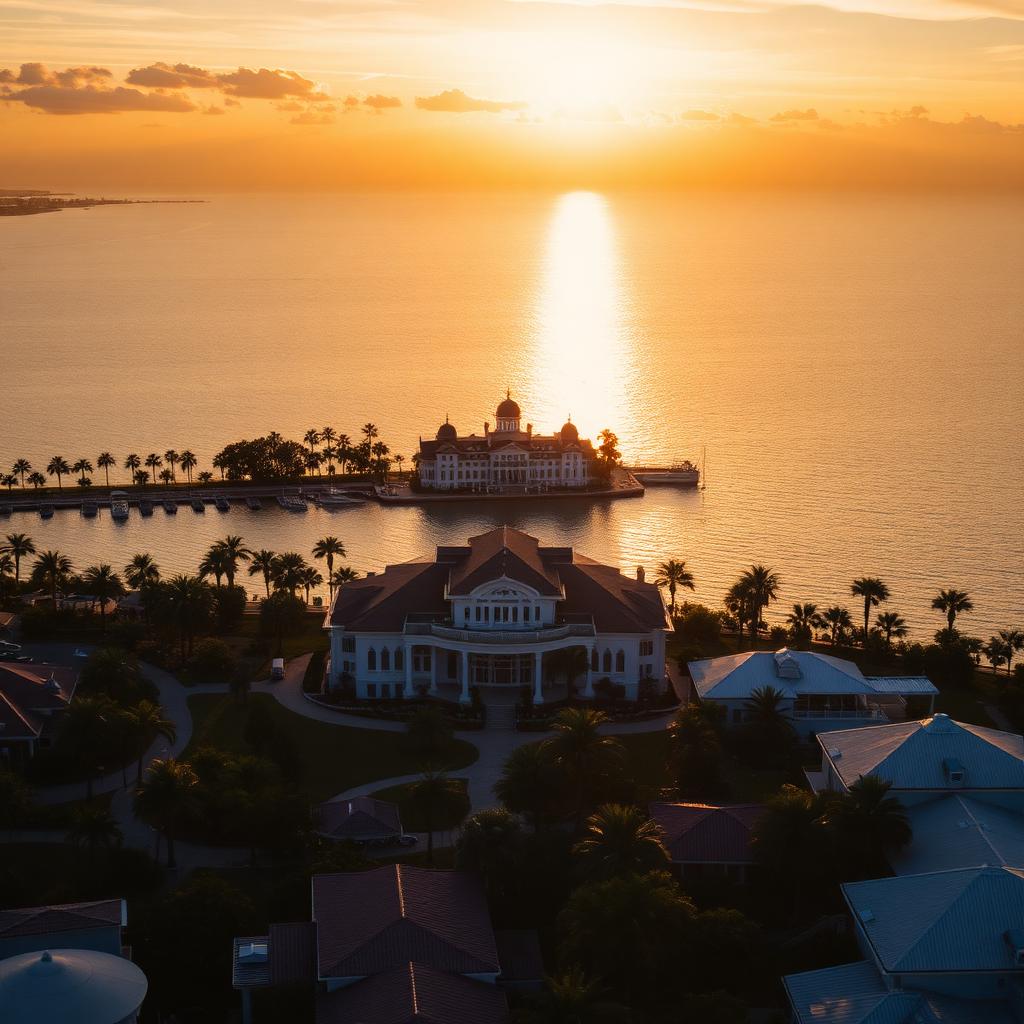
The Ringling estate, the Sarasota School of Architecture, Lido Key, and a downtown where mid-century modernism still defines the skyline.

Ybor City (Tampa)
Tampa's late-19th-century cigar district — Cuban Mission Revival storefronts, mutual aid clubhouses, and brick streets that built a culture.

Safety Harbor
Five natural mineral springs, a century-old spa resort, and a Main Street that's quietly become one of Tampa Bay's most distinctive.

Dunedin
A Gulf Coast small town with deep Scottish heritage, a craft-brewery boom, and the causeway out to Honeymoon Island.

Tarpon Springs
A Greek-American enclave on the Gulf Coast where sponge diving built a culture and the Anclote River feeds the bayous.

Crystal River
The only place in North America you can legally swim with manatees — anchored by Three Sisters Springs and the Crystal River Preserve.

Cedar Key
A tiny island town at the end of State Road 24 — where clam farming replaced logging and artists discovered the light.

High Springs
Gateway to the Santa Fe River and Florida's spring country — cave-diving capital and a Main Street built on the railroad era.

Micanopy
Florida's oldest inland town — a one-street antique village under giant live oaks, chartered in 1821 and named for the Seminole chief, wrapped on three sides by Paynes Prairie.

Fernandina Beach
Amelia Island's historic heart — a walkable downtown where the shrimping industry built a Victorian gem on the Atlantic coast.

New Smyrna Beach
Volusia County's surf town — sugar-mill ruins, a thriving arts district, and one of the East Coast's most consistent breaks.
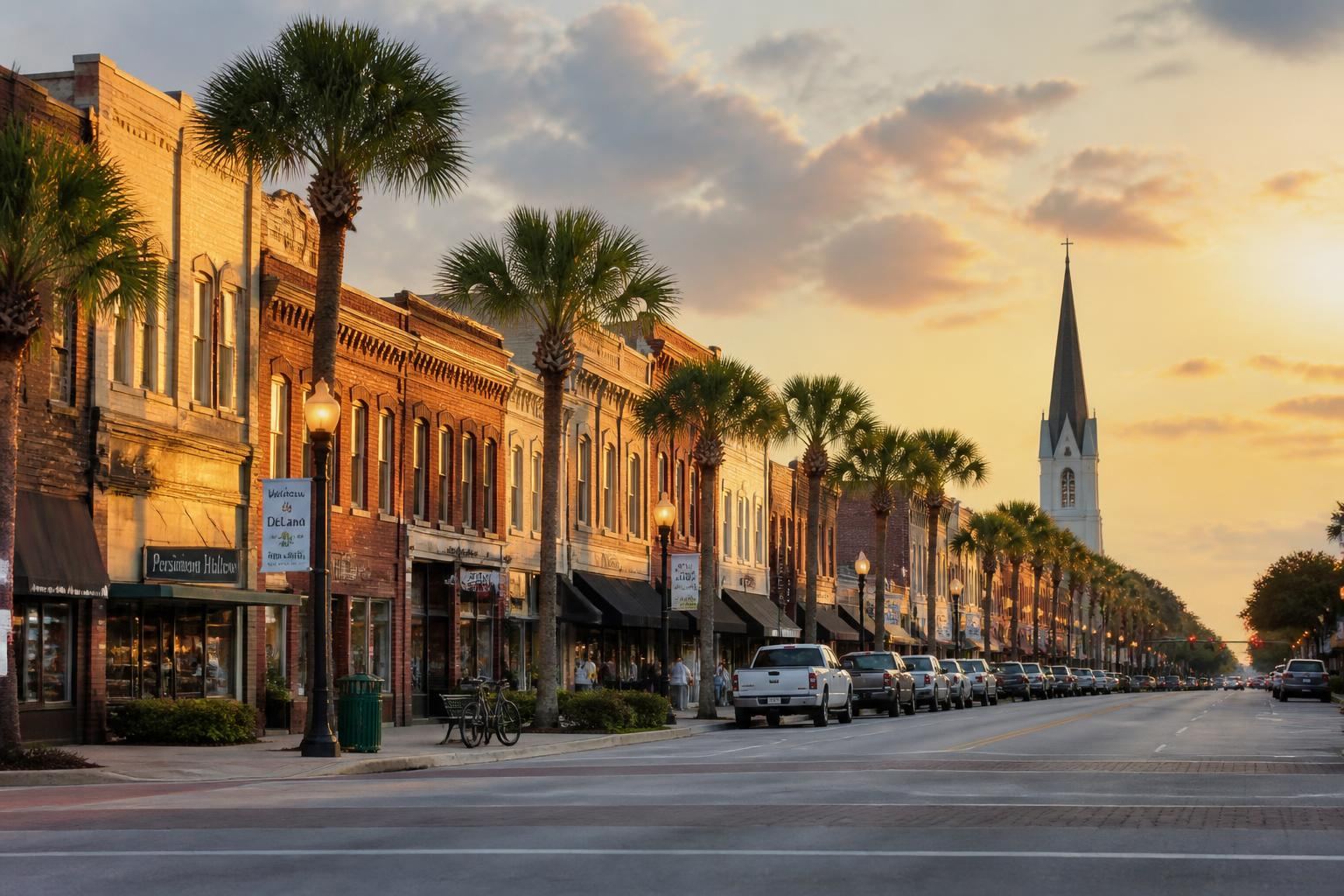
DeLand
Home to Stetson University and a walkable Main Street filled with murals, indie shops, and a creative class drawn by small-town charm.

Sanford
A Lake Monroe waterfront town rewriting its story — from celery capital to craft brewery hub, with a historic downtown finding new energy.

Mount Dora
A hilly lakeside village known for antique shops, art festivals, and a Main Street that still feels like the 1950s.
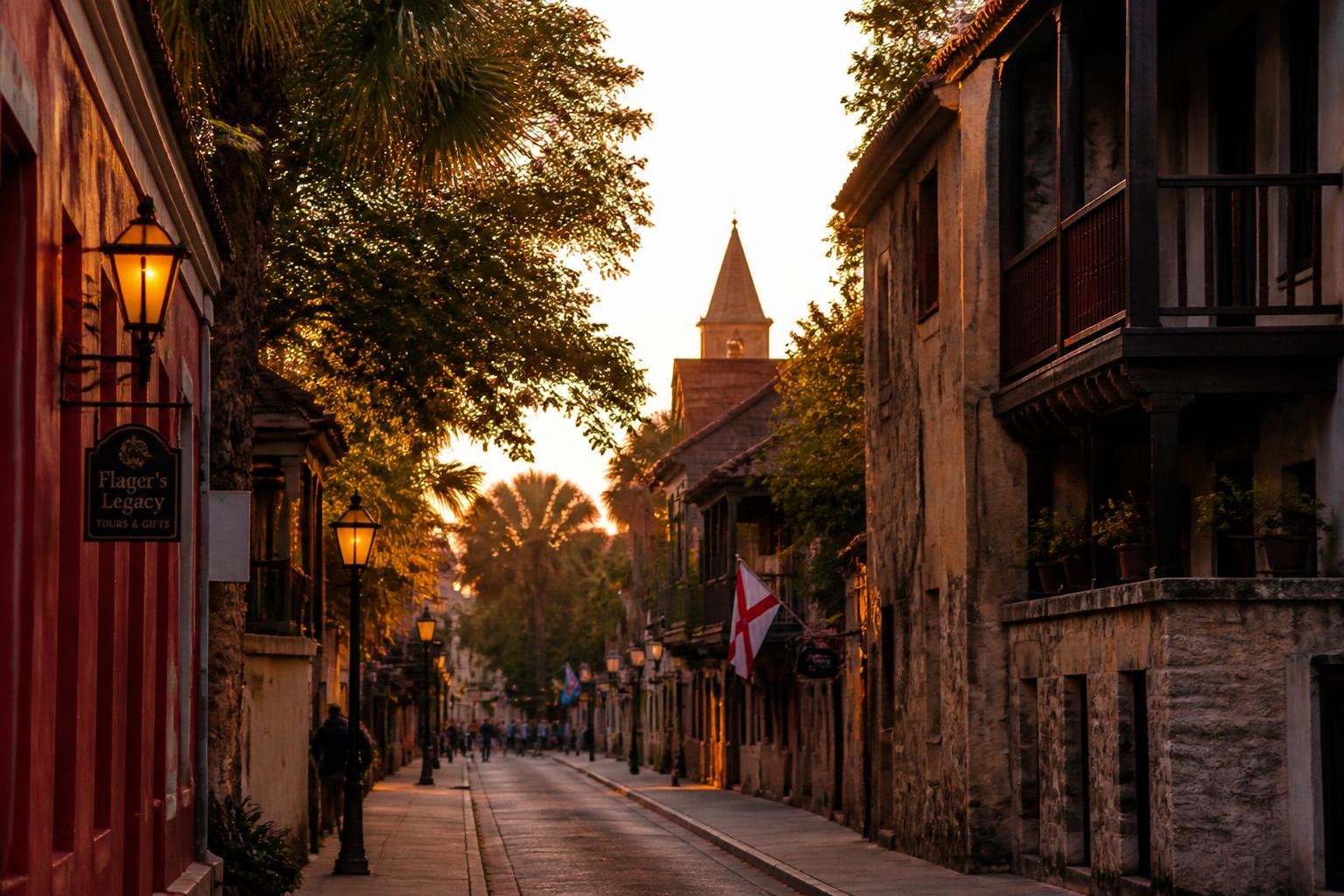
St. Augustine
Four centuries of layered history — Spanish forts, Flagler's Gilded Age vision, and a living downtown where preservation meets reinvention.
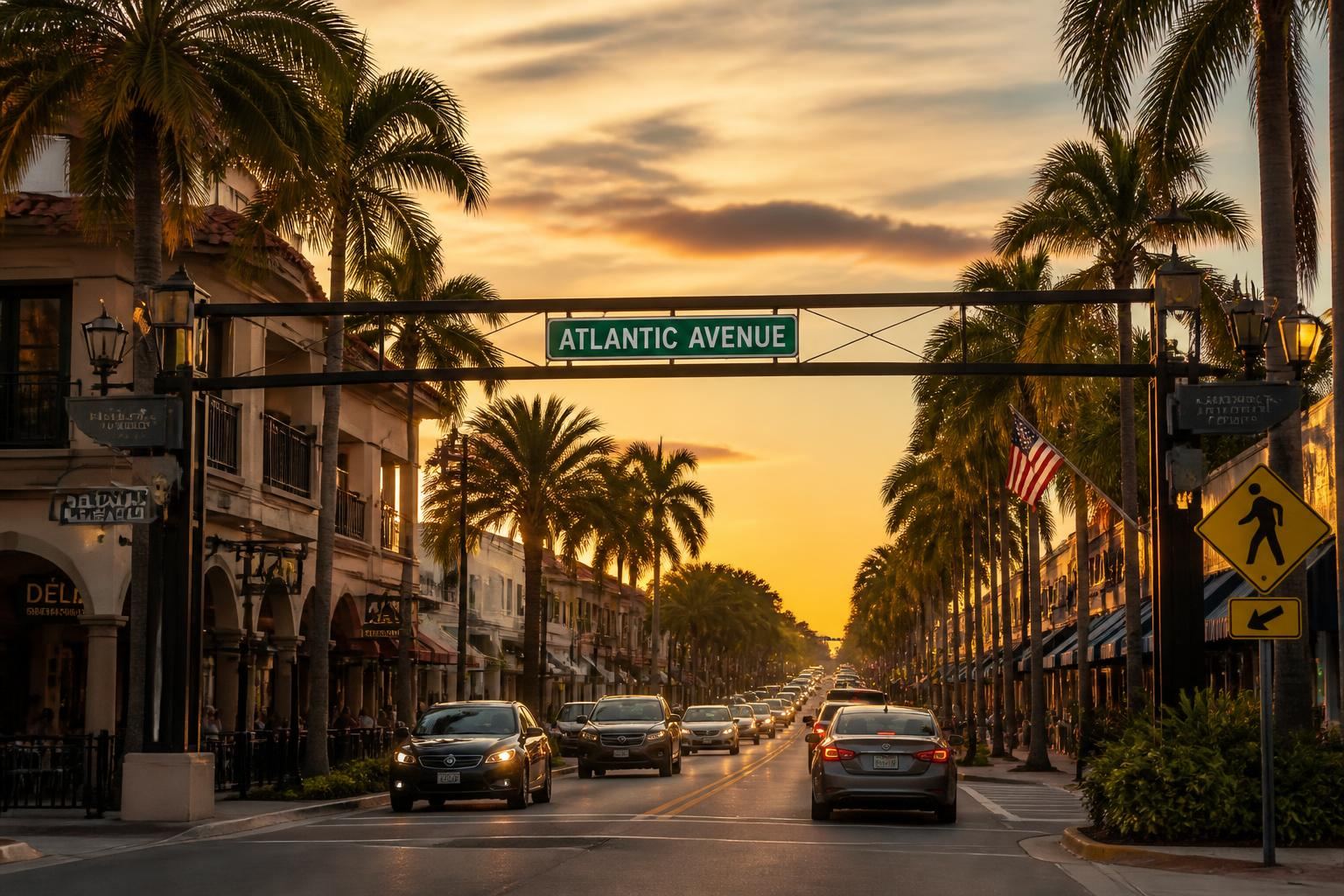
Delray Beach
The Village by the Sea — Atlantic Avenue's two-mile Mediterranean Revival downtown, Old School Square, the Sundy House, and Morikami's Japanese gardens.
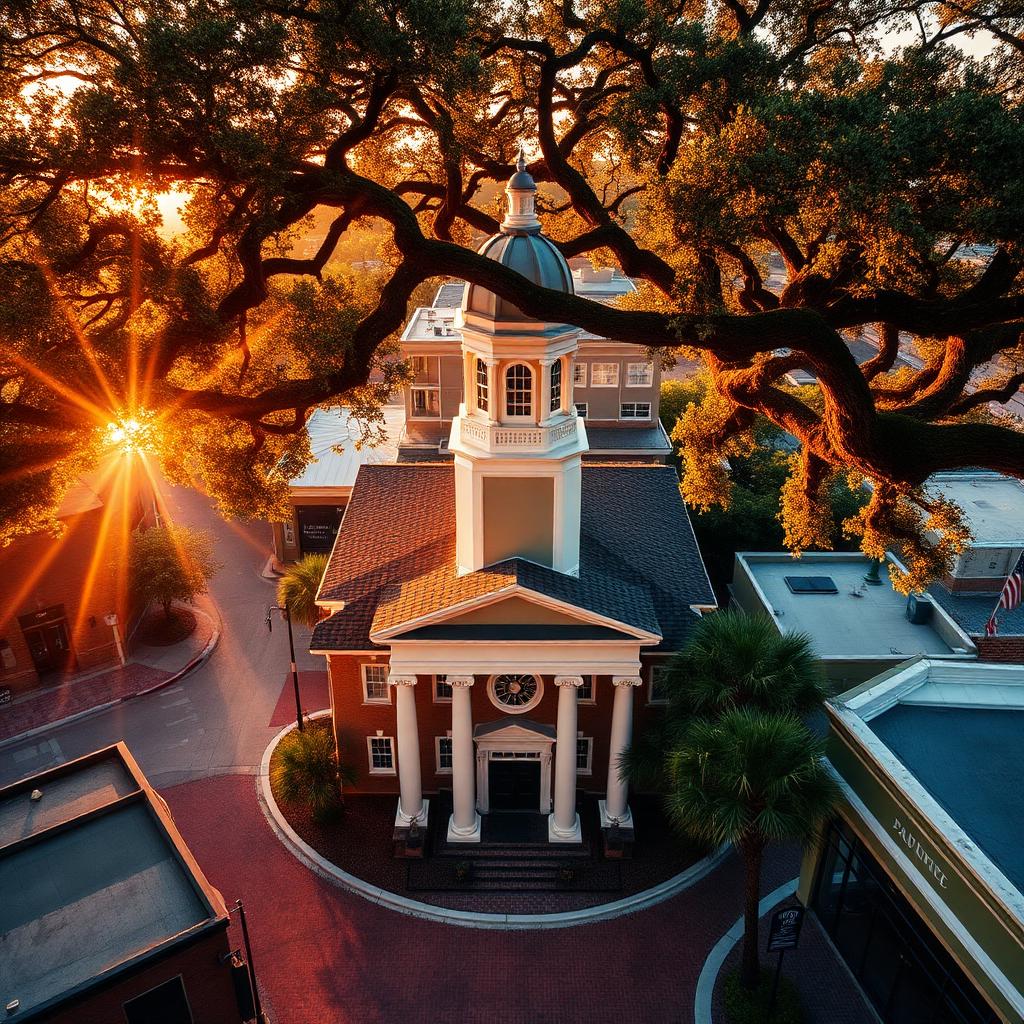
Bartow
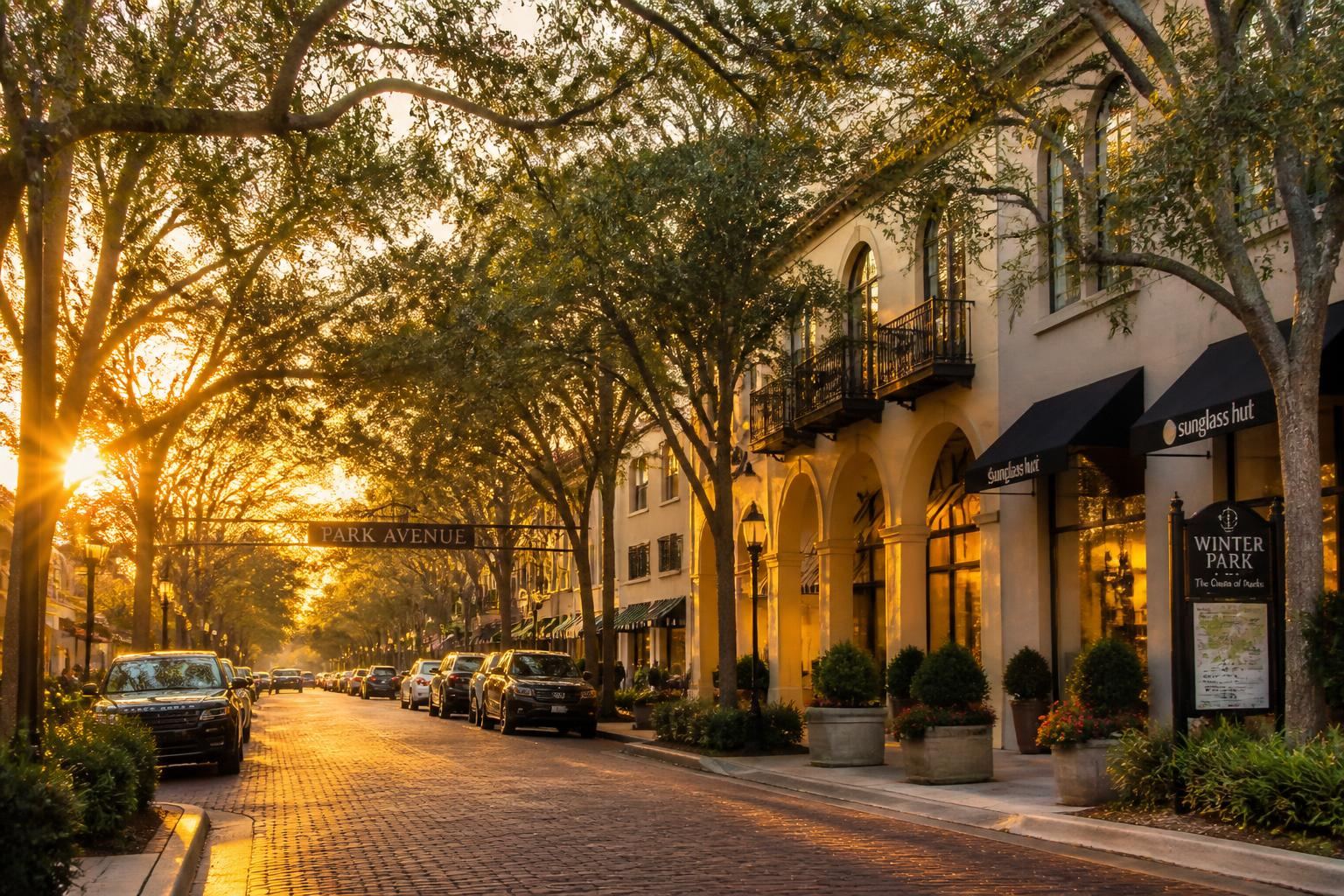
Winter Park
Brick streets laid before the automobile, Rollins College on the lakefront, and the Park Avenue century of refined small-city living.
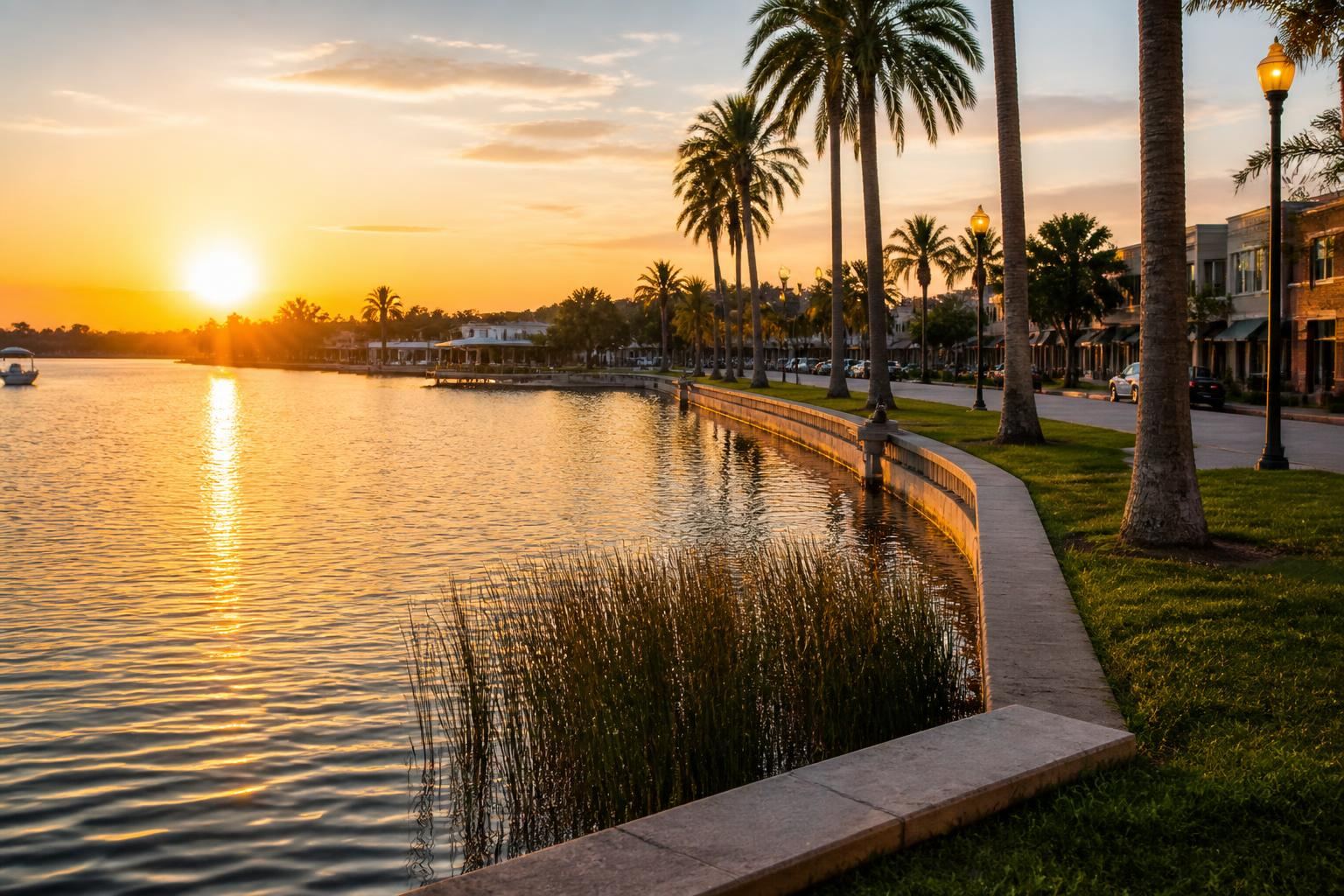
Winter Haven
From the glory days of Cypress Gardens to LEGOLAND Florida, Winter Haven built its identity around 50+ interconnected lakes and a century of reinvention.