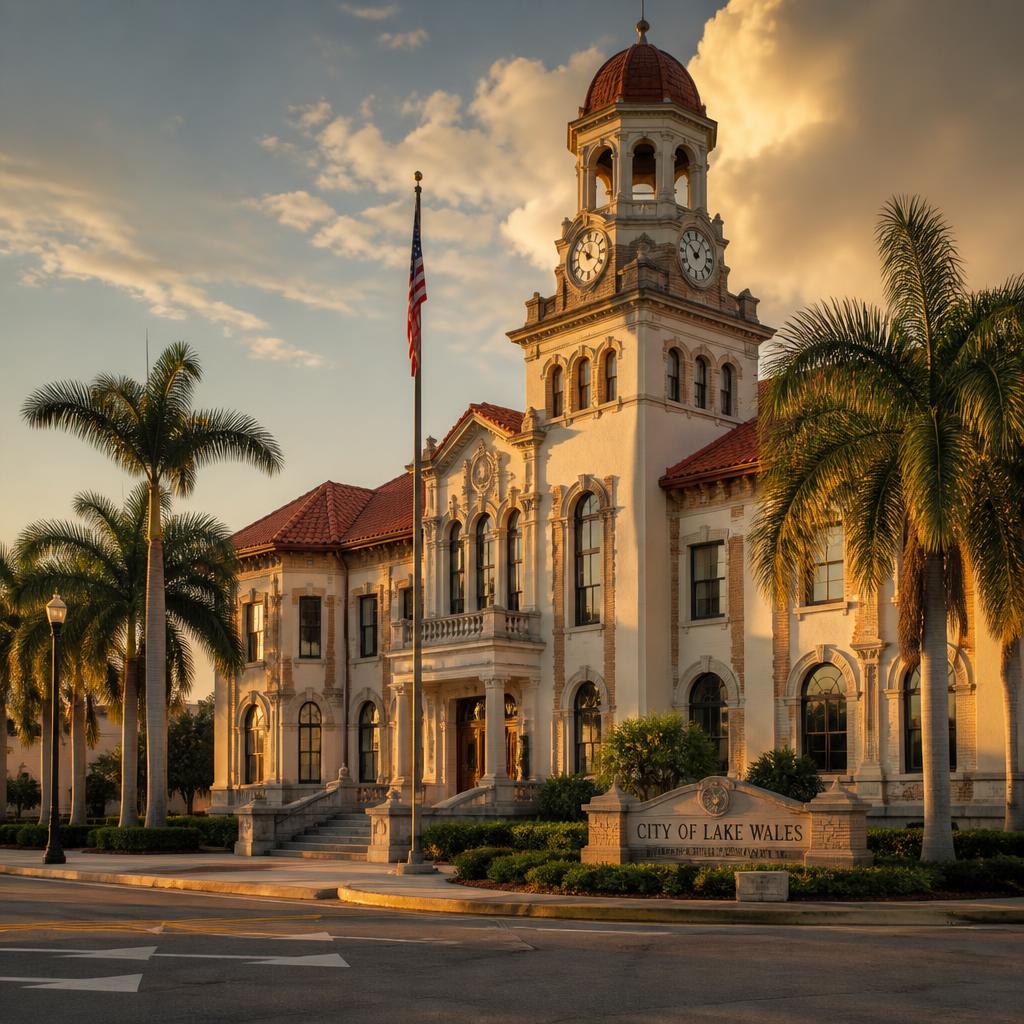
The Olmsted Brothers Plan for Lake Wales
In 1929, the most celebrated landscape architecture firm in American history drew a blueprint for a small citrus town on Florida's central ridge. Nearly a century later, Lake Wales is finally building it.
Who Were the Olmsted Brothers?
The Olmsted Brothers firm — led by Frederick Law Olmsted Jr. and John Charles Olmsted — was the direct successor to Frederick Law Olmsted Sr., who designed Central Park, the U.S. Capitol grounds, and the Biltmore Estate. By 1929, the firm had designed over 3,500 landscapes across North America.
Their Lake Wales commission came during Florida's land boom, when small cities were competing to attract residents and investment through ambitious city planning. The Olmsted plan was Lake Wales' bid for permanence — a vision of how a citrus town could grow gracefully for a century.
Design Principles
Work With the Land
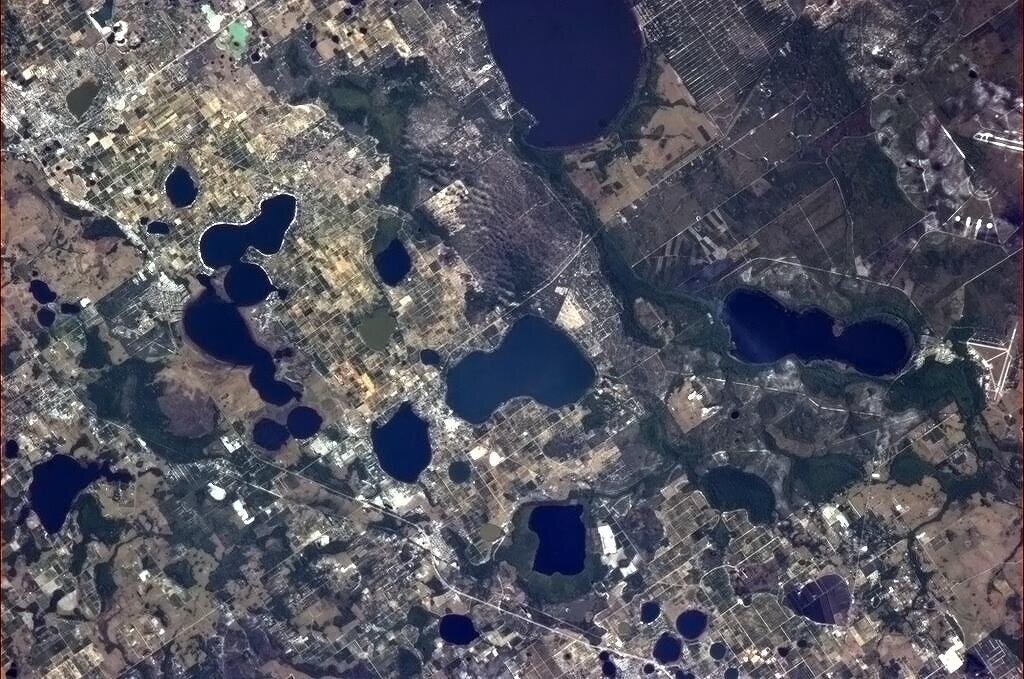
Roads, parks, and public spaces follow the natural topography of the central Florida ridge — the lakes, hills, and groves that define the region.
Connected Green Spaces
A continuous system of parks, tree-lined streets, and landscape corridors linking neighborhoods to civic spaces and the natural environment.
Civic Beauty as Public Good
Investments in streetscapes, public buildings, and landscape design that elevate daily life for all residents, not just property owners.
Walkable, Human-Scale Streets
Neighborhoods designed for people on foot — narrow streets, generous sidewalks, shade trees, and destinations within walking distance.
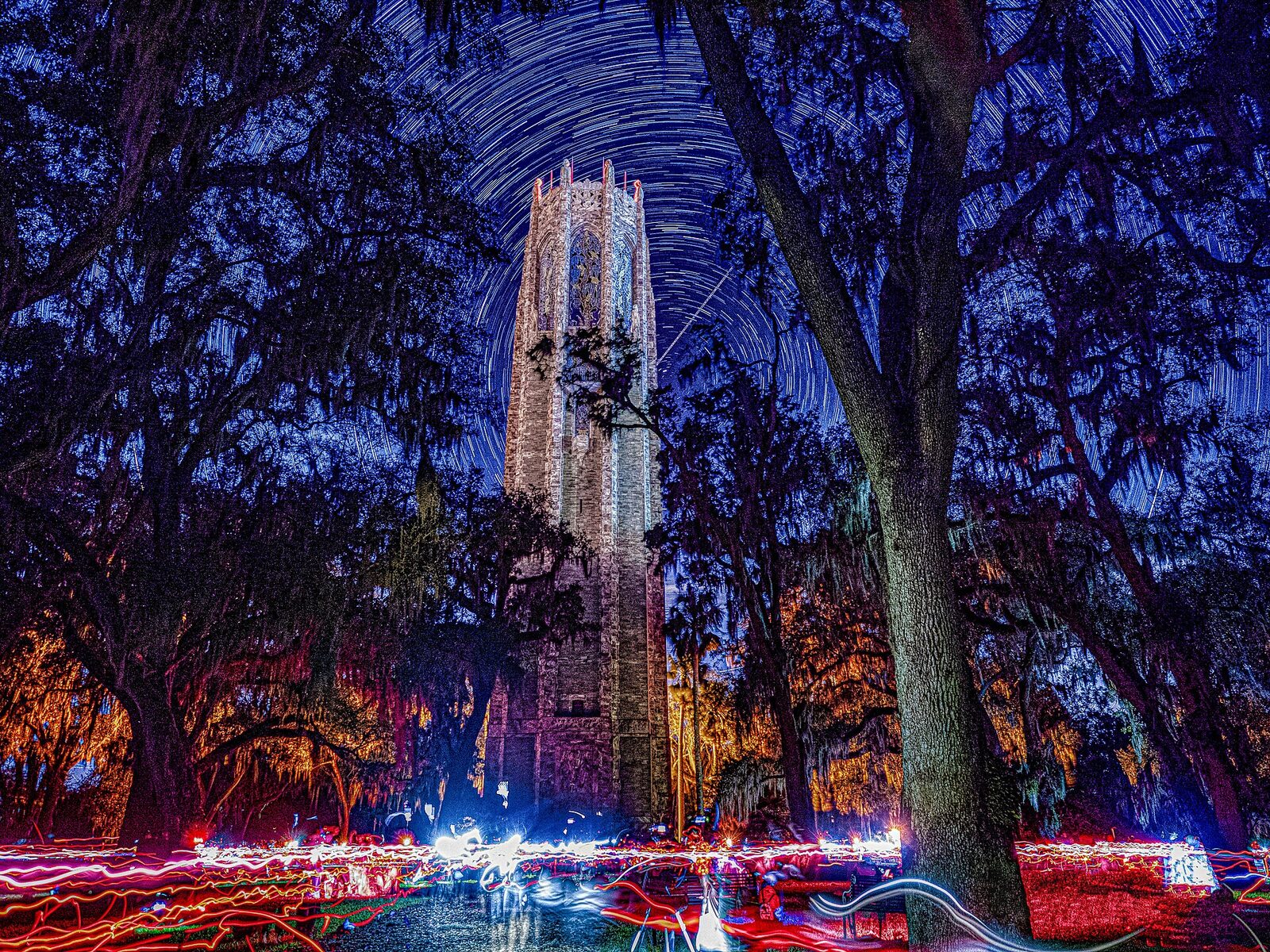
Bok Tower Gardens (1929) — Edward Bok commissioned the tower and surrounding gardens in the same year the Olmsted plan was delivered, creating Lake Wales' defining landmark.
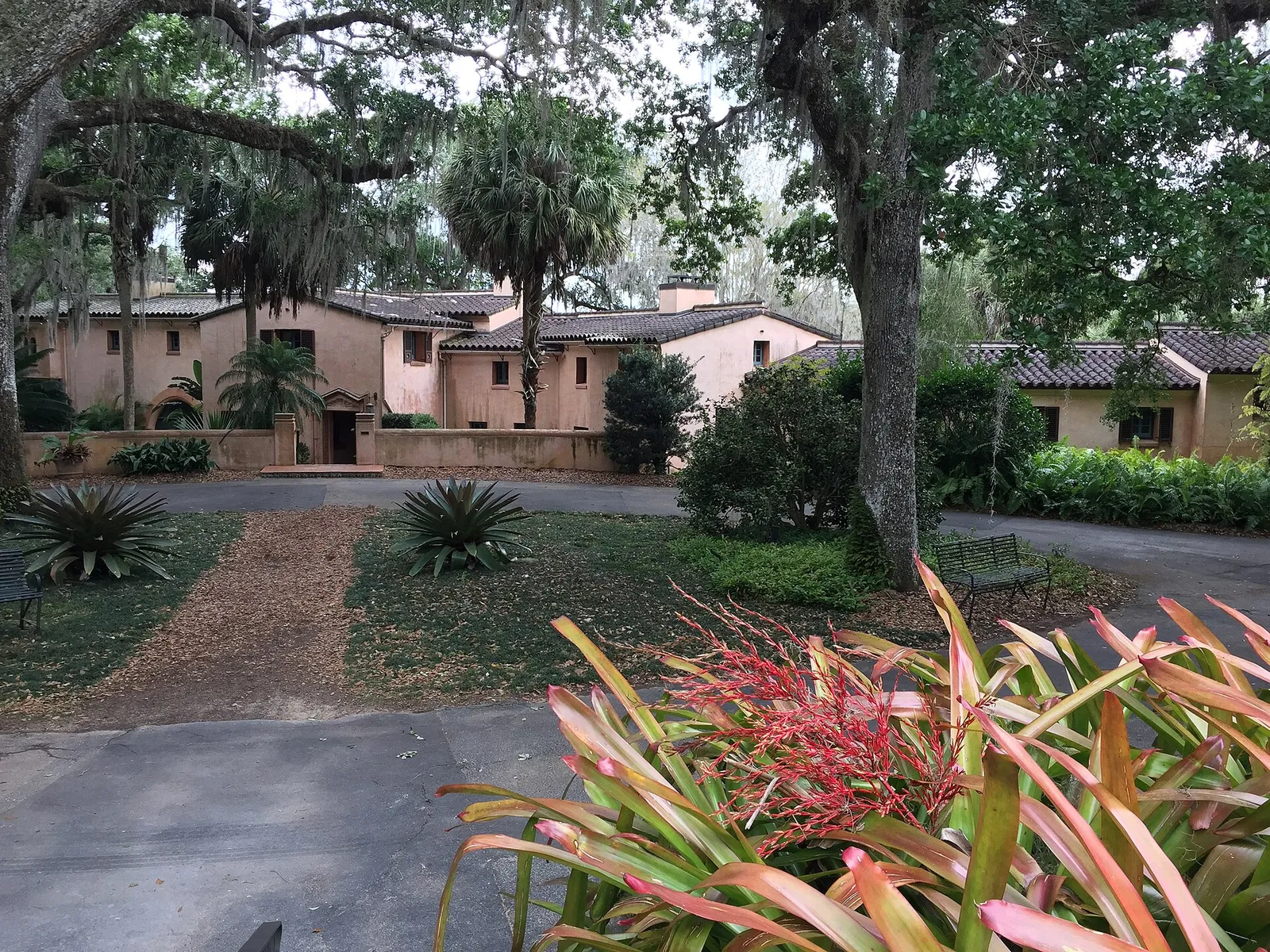
Pinewood Estate (1930s) — Charles Austin Buck's Mediterranean Revival estate within Bok Tower Gardens, reflecting the architectural ambitions of the Olmsted era.
A Century in Motion
The Commission
The City of Lake Wales engaged the Olmsted Brothers — the nation's preeminent landscape architecture firm, successors to Frederick Law Olmsted Sr. who designed Central Park — to create a comprehensive city plan. The commission came at the height of the Florida land boom, when Lake Wales was growing rapidly as a citrus and railroad town.
The Plan Delivered
Frederick Law Olmsted Jr. and his associates delivered a visionary master plan that worked with the region's natural topography — the rolling ridge, the chain of lakes, the citrus groves. The plan proposed a system of parks, tree-lined boulevards, civic spaces, and residential neighborhoods organized around the landscape rather than against it.
Partial Implementation
The Great Depression halted most development, but key elements of the Olmsted plan were realized: the downtown street grid, portions of the park system, and the general layout that still defines Lake Wales today. The Northwest neighborhood — Lincoln Avenue's corridor — was largely left to develop organically outside the plan's formal scope.
Rediscovery
Urban planners and preservation advocates rediscovered the Olmsted plan and began advocating for its principles. The plan's emphasis on walkability, green infrastructure, and civic beauty anticipated many ideas that wouldn't become mainstream planning orthodoxy for another 70 years.
Lake Wales Connected
The city adopted the "Lake Wales Connected" plan, a 21st-century update that draws directly from Olmsted's original vision. Combined with the $22.9M federal RAISE grant awarded in 2024 for the Northwest neighborhood, Lake Wales is now positioned to rebuild its infrastructure to fulfill — and expand — the promise of the 1929 plan.
Crown Jewel of the Ridge
Lake Wales' city motto — "Crown Jewel of the Ridge" — speaks to the Olmsted-era ambition that still animates the town. The 2020s represent the most significant investment in the Olmsted vision since the plan was delivered: the Lake Wales Connected initiative and the $22.9M federal RAISE grant awarded in 2024 will rebuild infrastructure, reconnect neighborhoods, and finally extending the plan's promise of civic beauty to every corner of the city.